Late April of an on-again off-again warm wet spring with relatively minimal late frosts, the lightest in years, though some damage to blossoms and leaves.
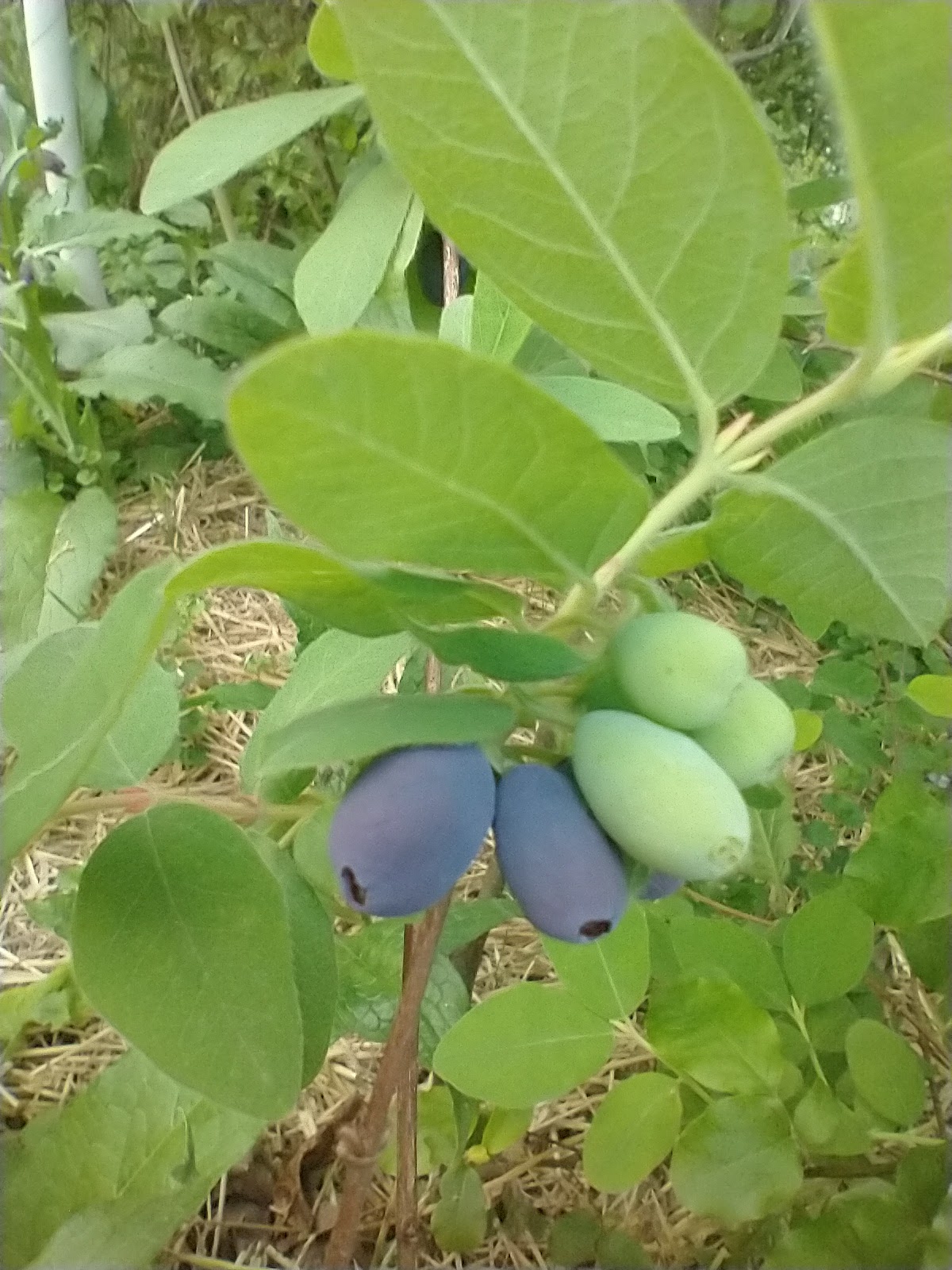
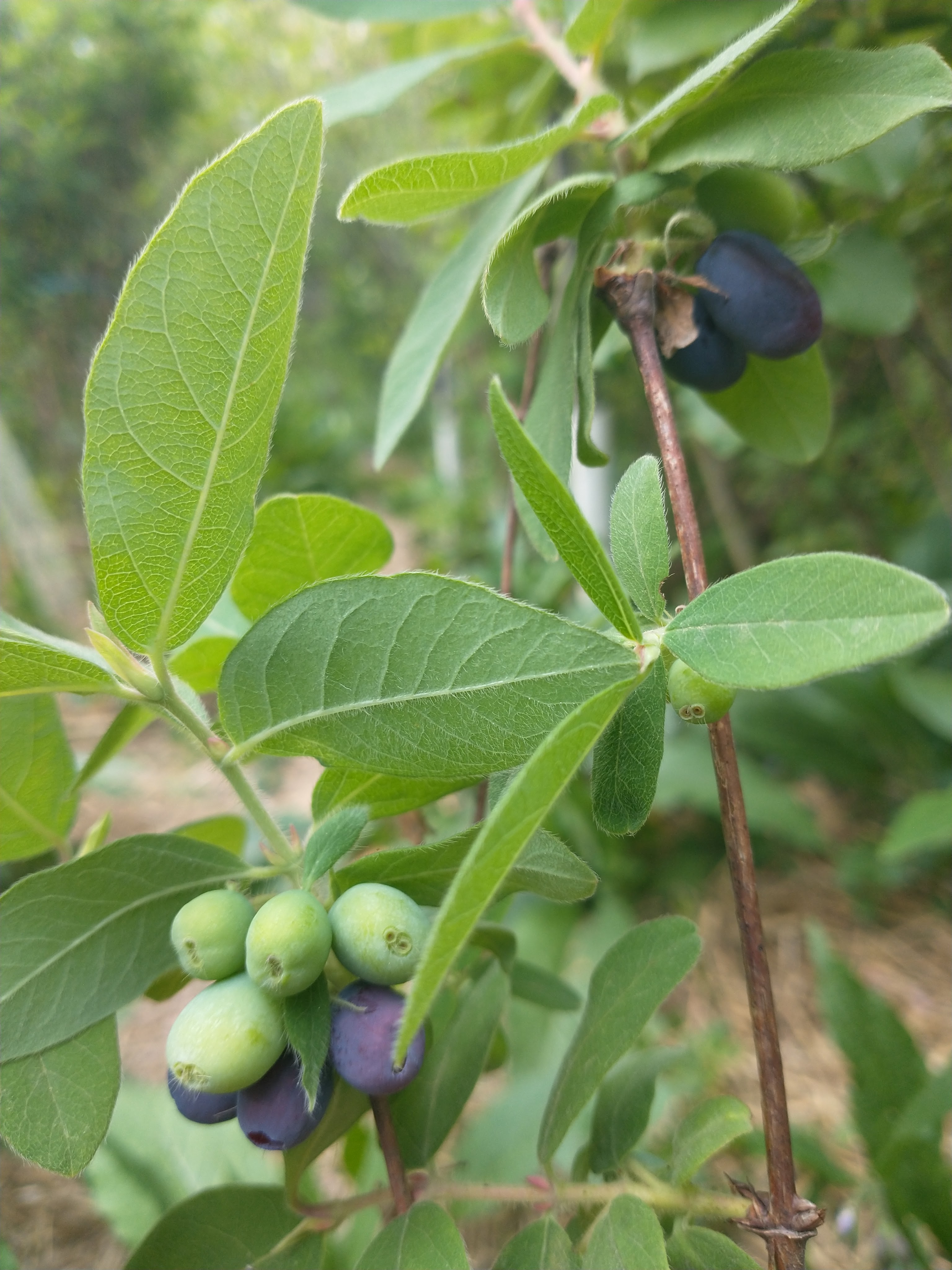
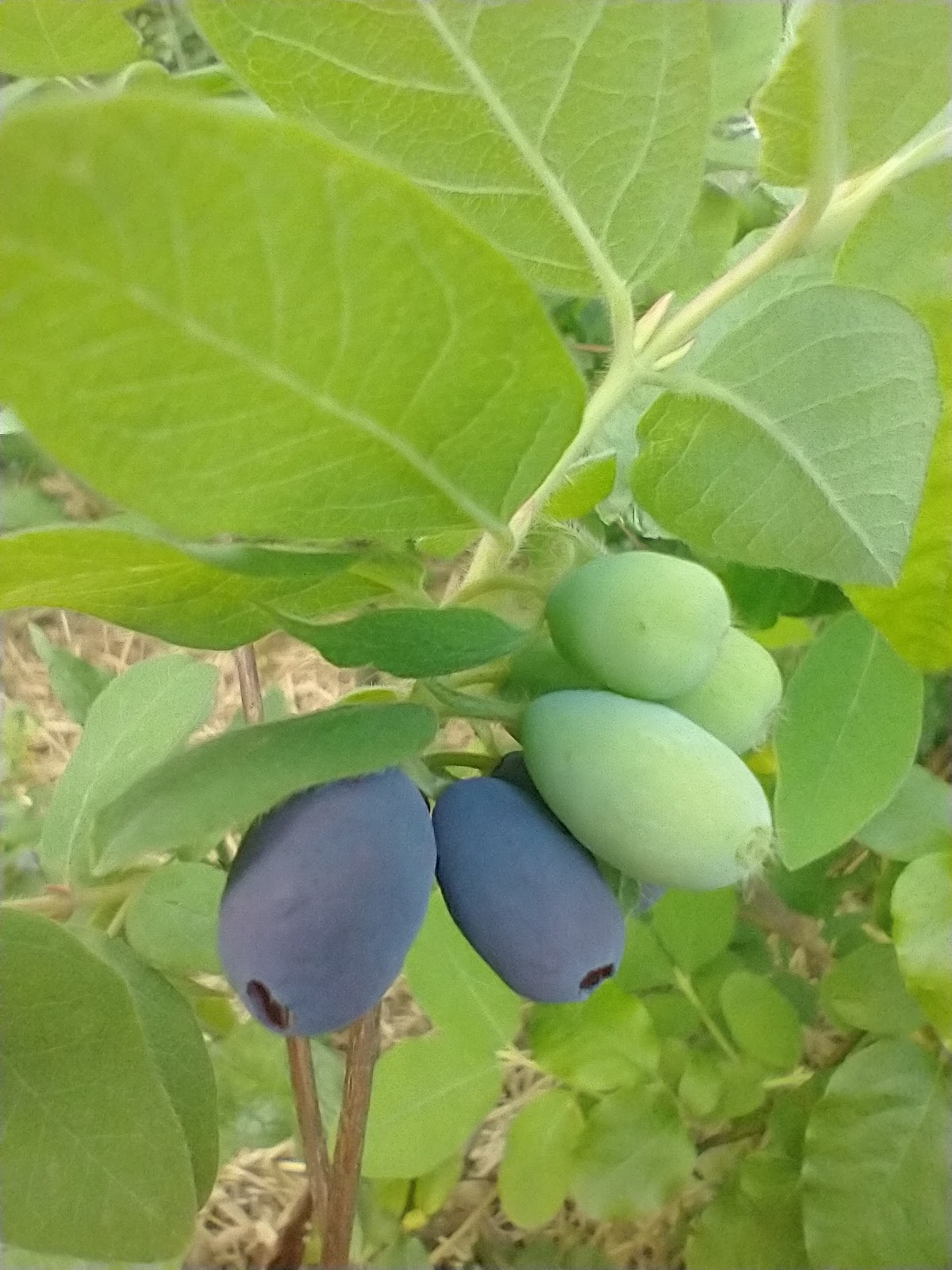
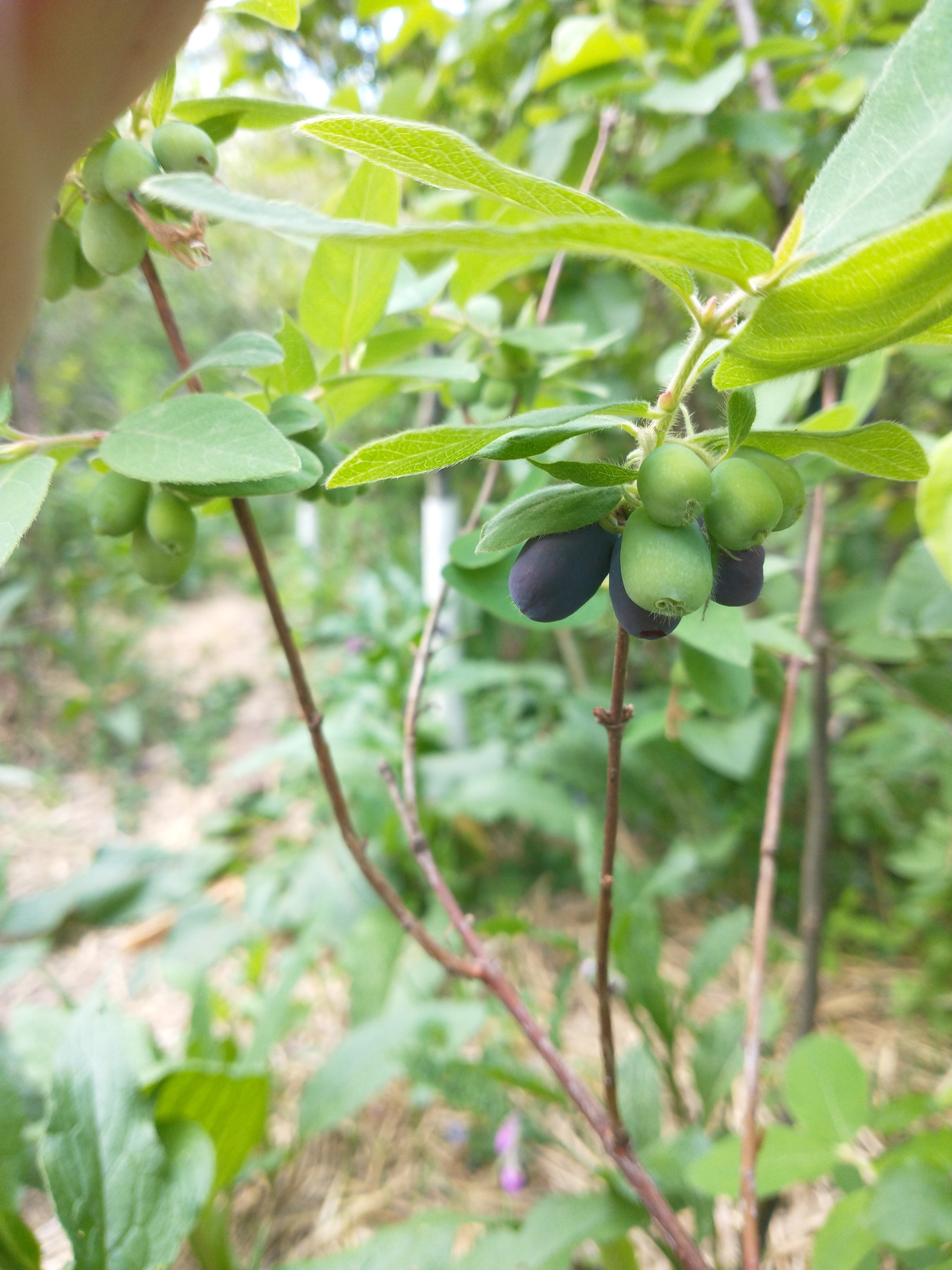
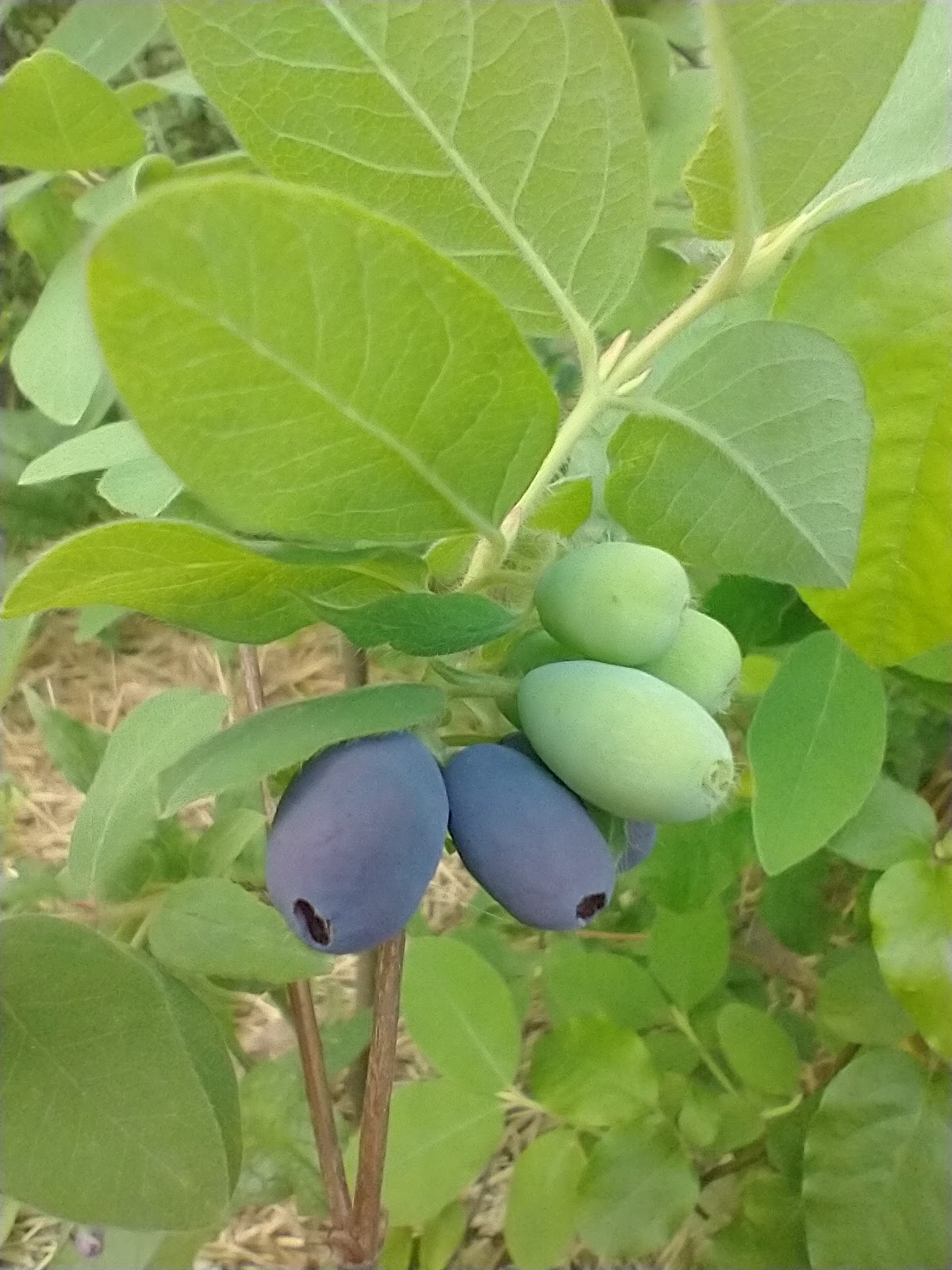
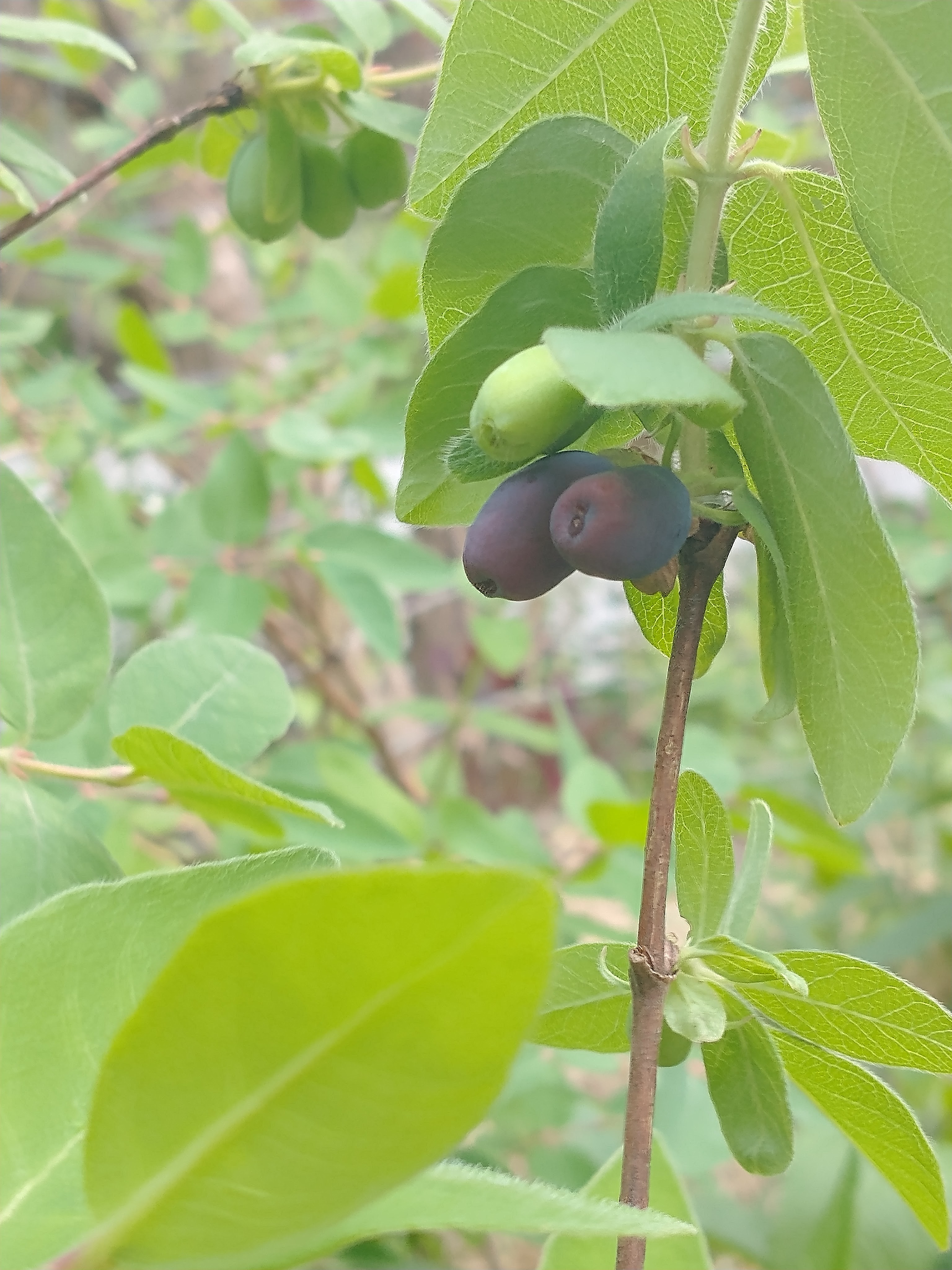
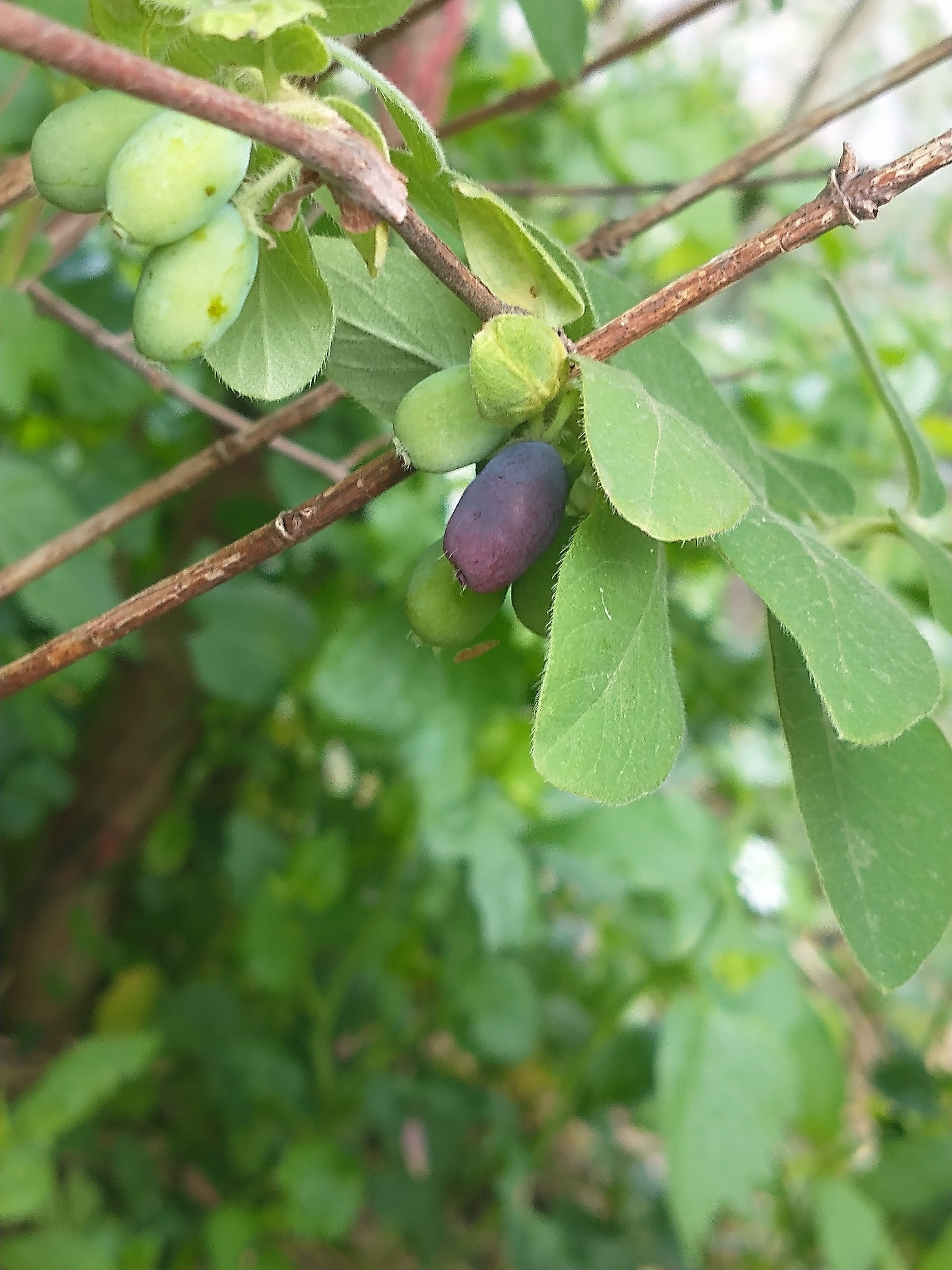
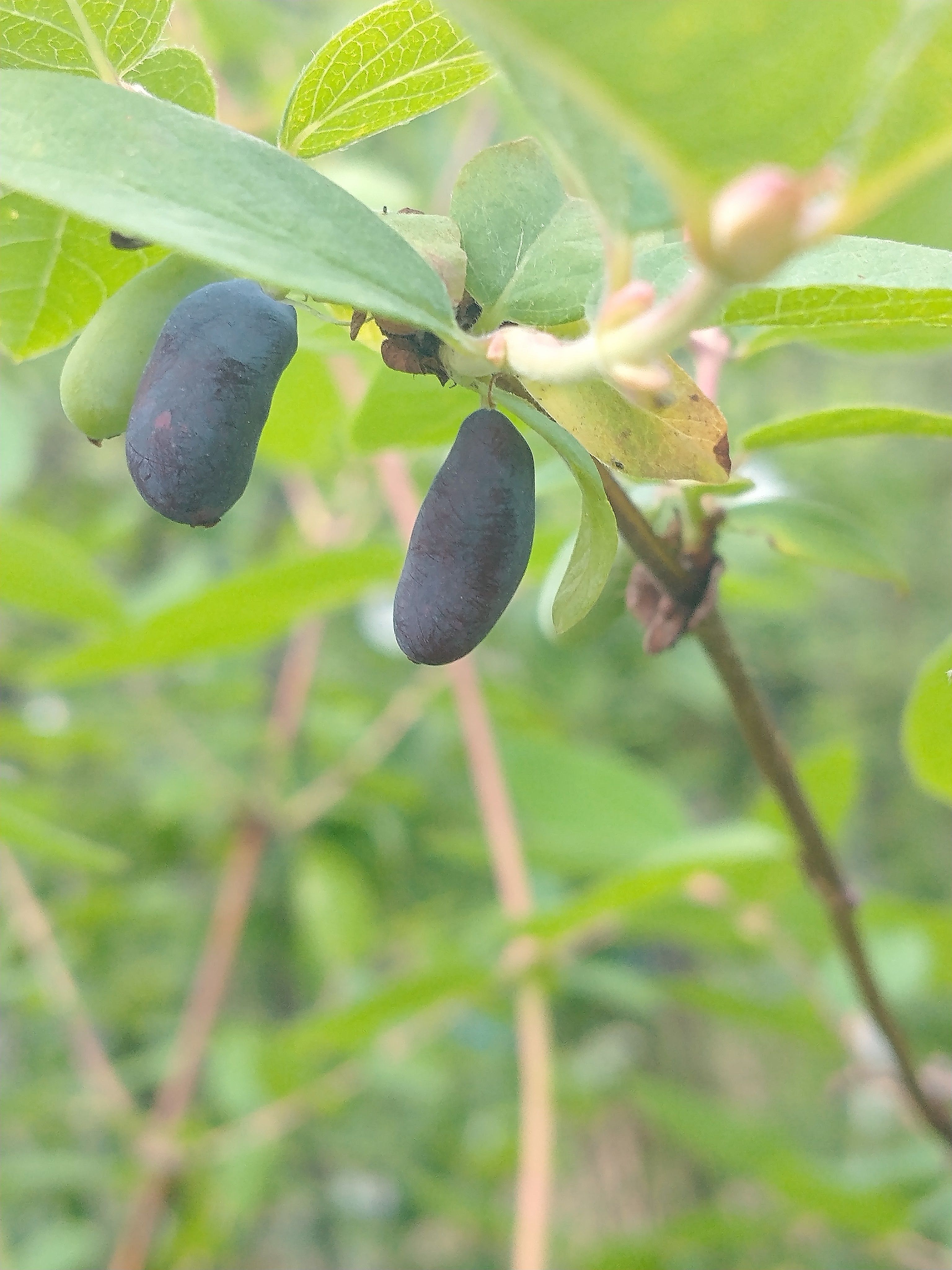
Edible blue honeysuckle (haskap or honeyberry) – though not related to blueberry, the color and flavor and size, if not shape, of haskap is similar to blueberry, and with the wild forms of blue honeysuckle being circumpolar and growing north toward the arctic, it’s interesting to think of this fruit as an arctic blue berry – edible even at this early stage of color, a tart burst:
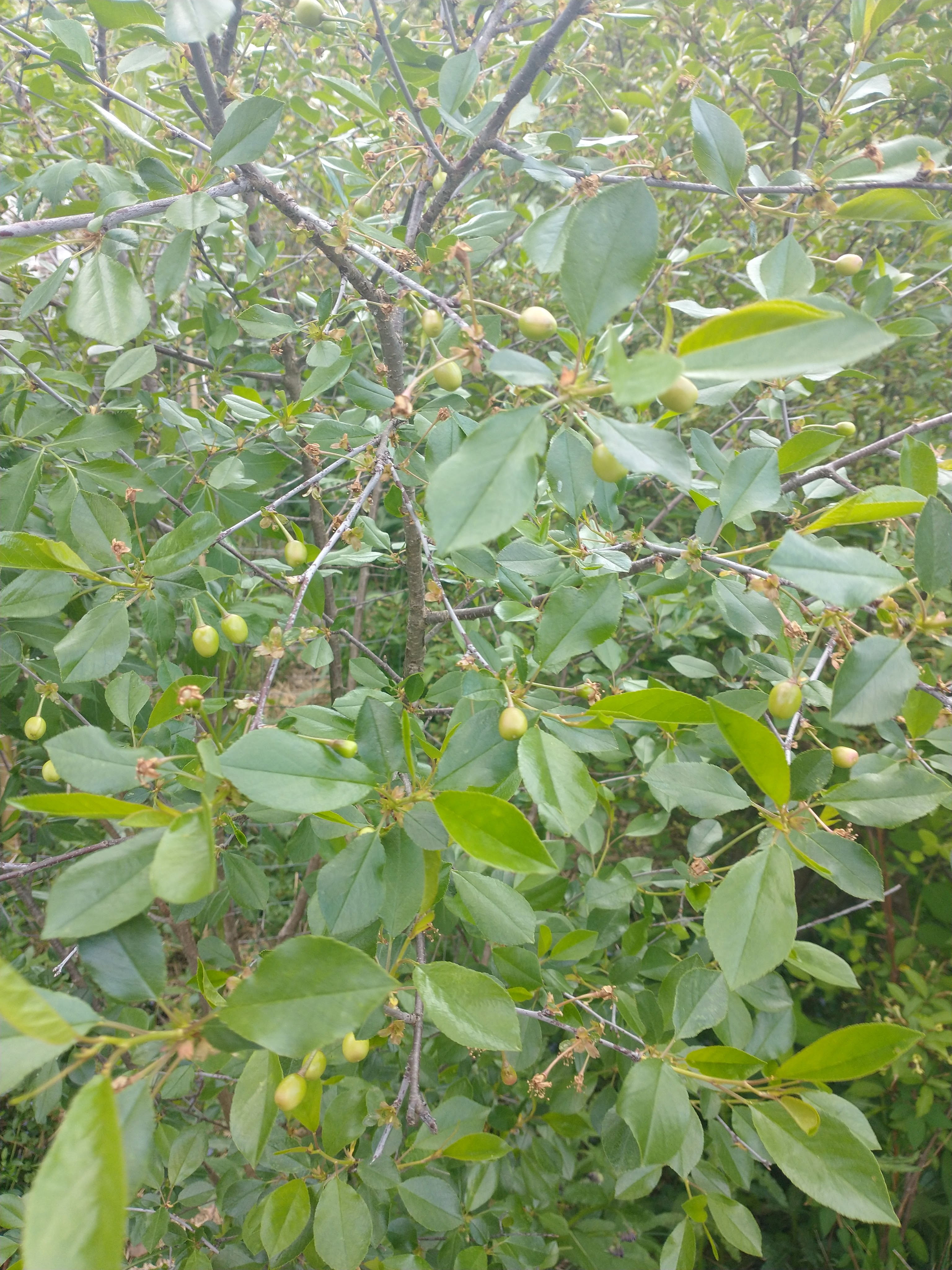
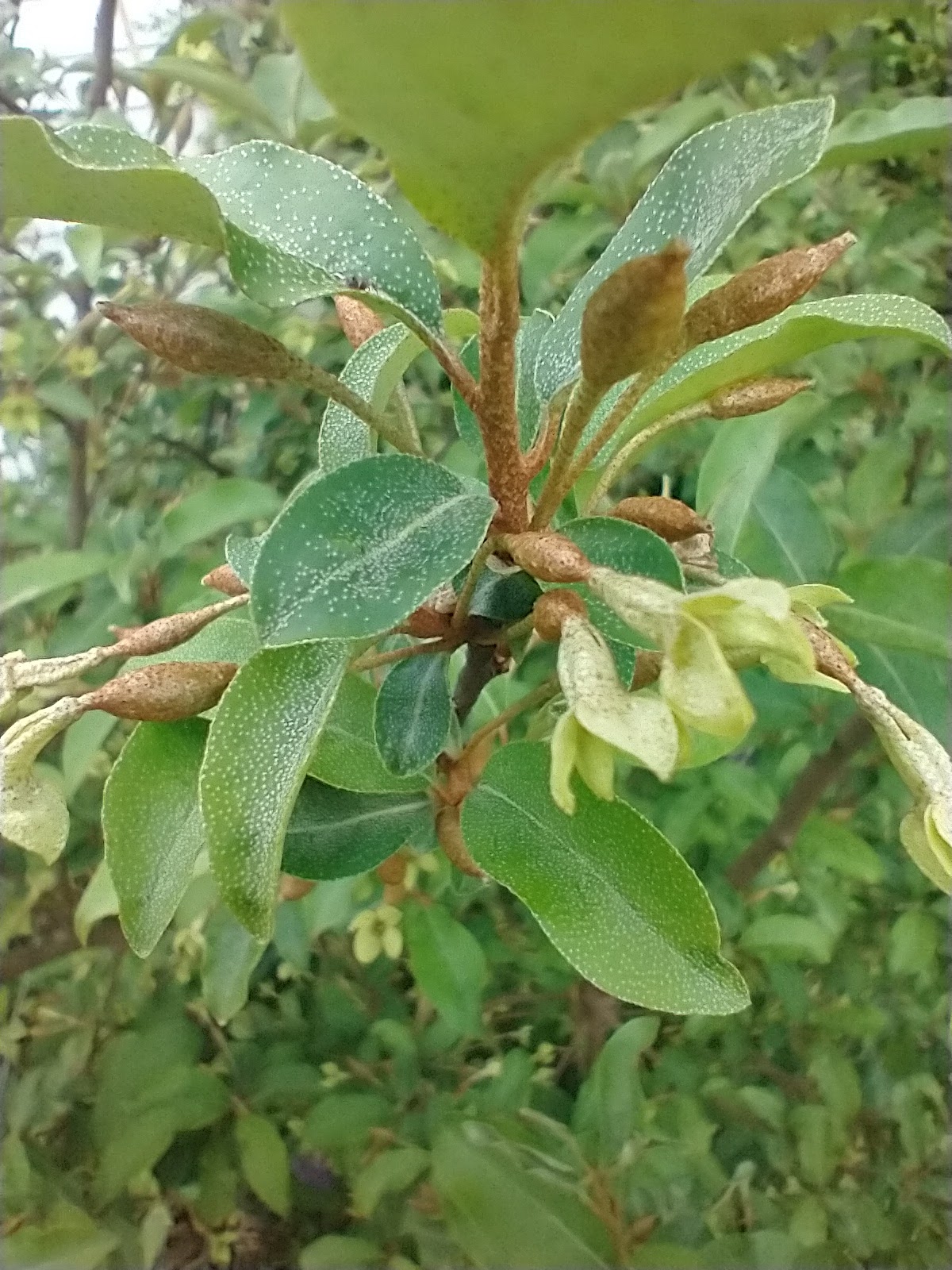
Juliet bush cherry, black elderberry with unusually early blossoms coming, large-size goumi pushing its blossoms off its fruit, medlar preparing to bloom, also blackberry:
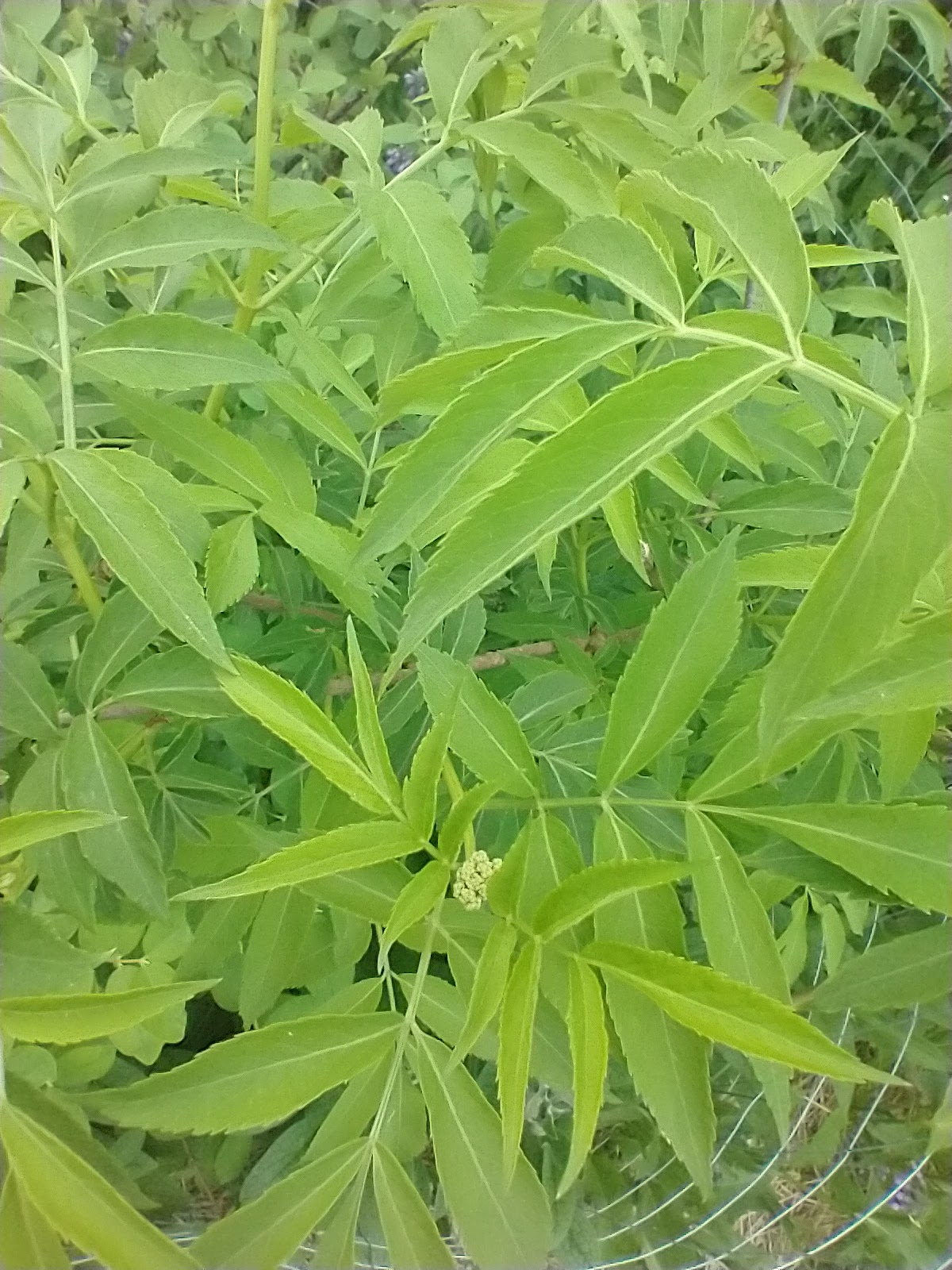
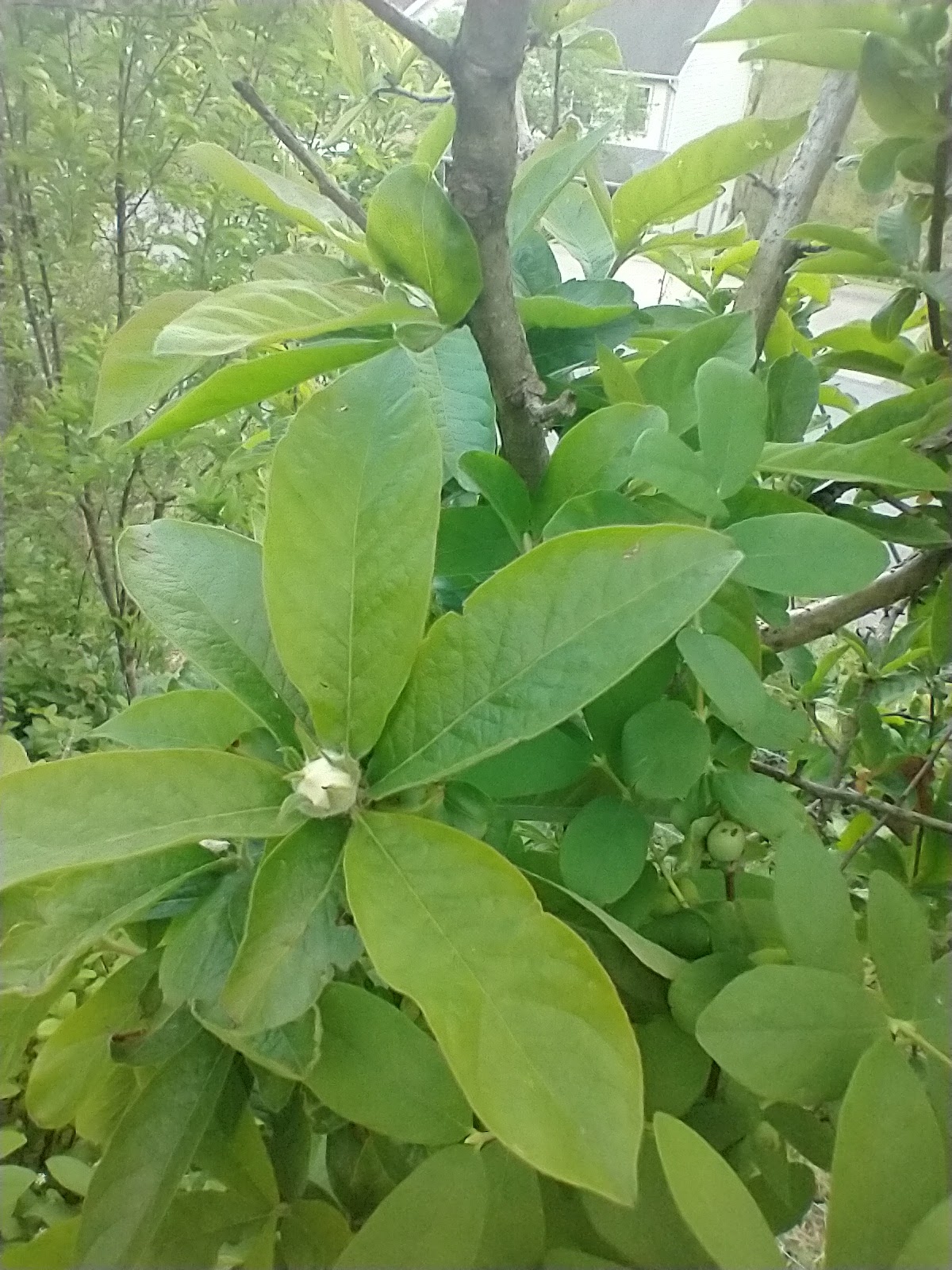
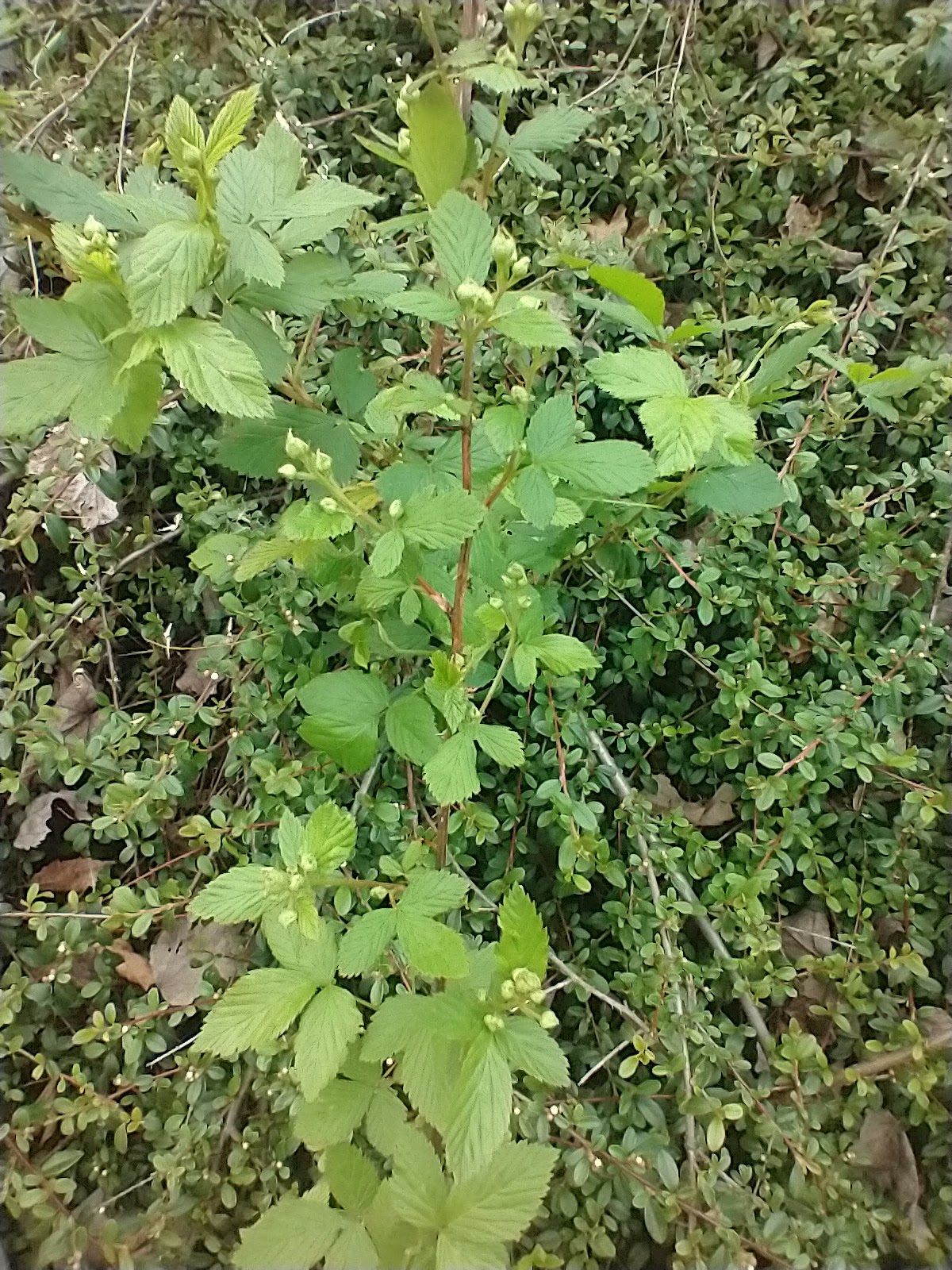
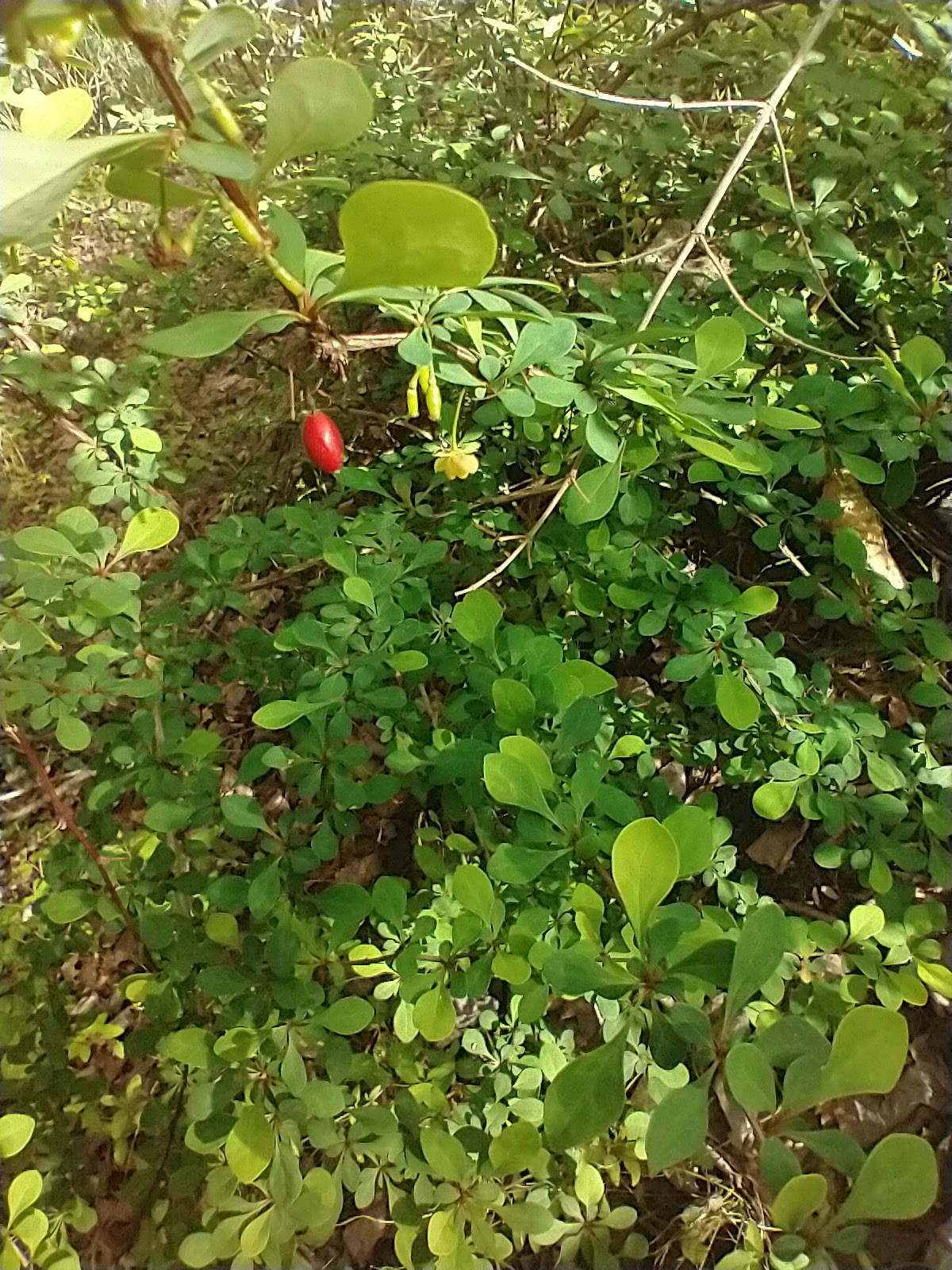
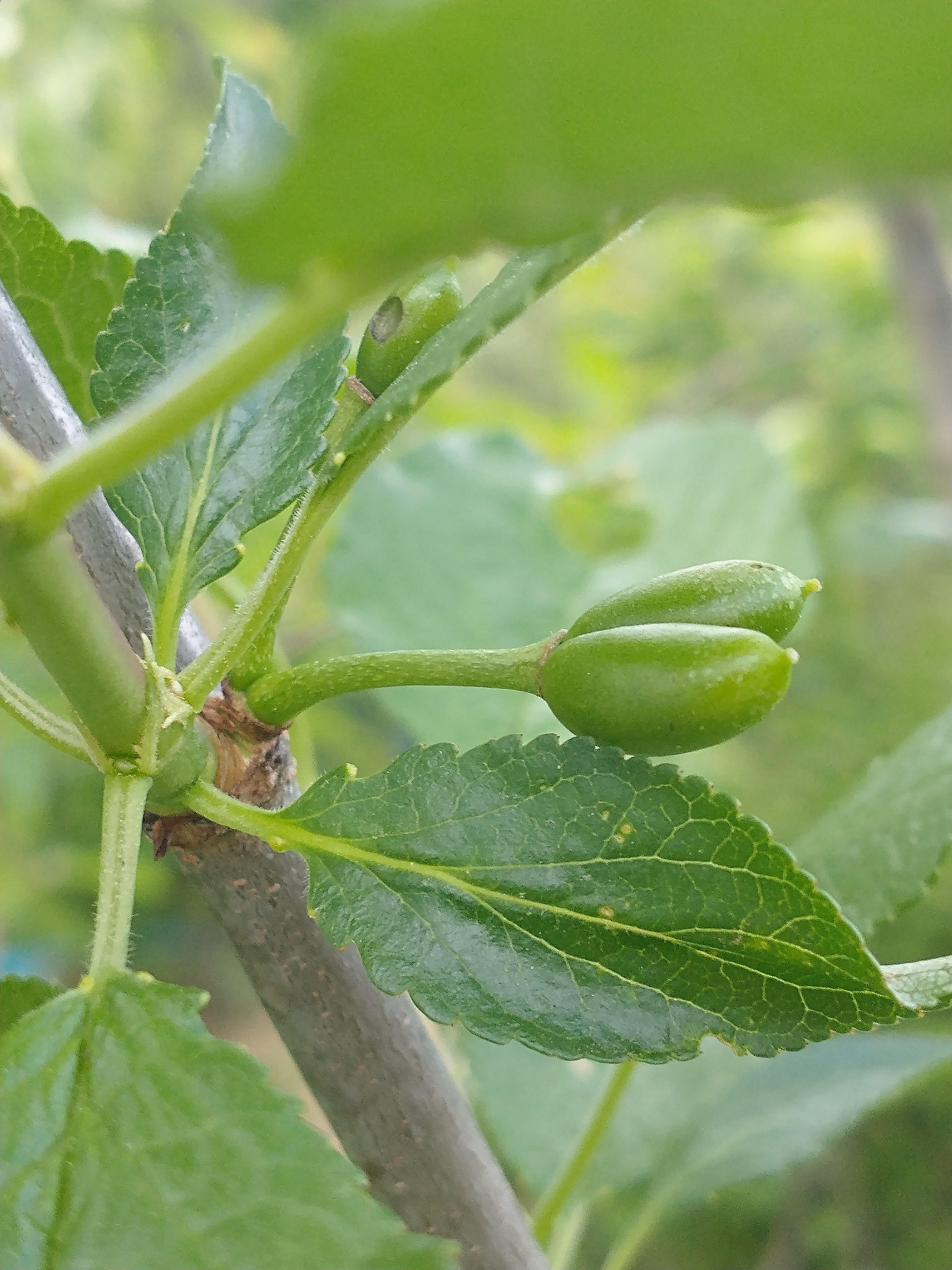
Black elderberry, rhubarb, hawthorn, crabapple, and barberry with a few odd freakishly early ripe fruit – a little more dry and nutty in flavor and texture than its fruit to come – which will also be dry and nutty, below. Barberry like autumn olive is an edible “invasive” – what makes certain plants “invasive” in parts of North America, in ways both problematic and useful? – various competitive factors like early to leaf and late to shed leaves, and highly propagative seeds, but mainly, as it turns out, that deer won’t eat them, likewise with the “invasive” non-edible bush and vine honeysuckles and privet, etc – deer inedibility being an otherwise beneficial feature of native plants like pawpaw, rudbeckia, yarrow… The deer herds artificially inflated by state governments across the US wipe out countless native species in many locales and regions. Where has all the wild black elderberry gone that we picked each year as children? ask the elders, who are systematically kept in the dark by wealthy vested interests. Well, ask the deer. Black Elderberry and many other native bushes could have been used to reclaim strip mines as readily and more beneficially than the widely used autumn olive, except for the federal government’s unwillingness to credit the money to create the jobs needed to do so, and the unwillingness to protect anything from deer. Caterpillars won’t eat autumn olive and some other non-native plant leaves either, thus a huge blow is struck against the ecosystem by an excess of non-native plants, including to the many songbirds who depend upon an abundance of caterpillars to survive and raise their young. (See the work of Doug Tallamy and others.) In my view, non-native fruiting plants can make for a wonderful addition mixed in with many natives in yard or orchard. Apples, for example, are not native to the US and can be invasive, on abandoned pastures in particular but are more than welcome to the mix. Meanwhile, wildlife and the ecology will benefit by our fostering an abundance of native species, growing with wonderful non-natives, many of which have long-since naturalized.


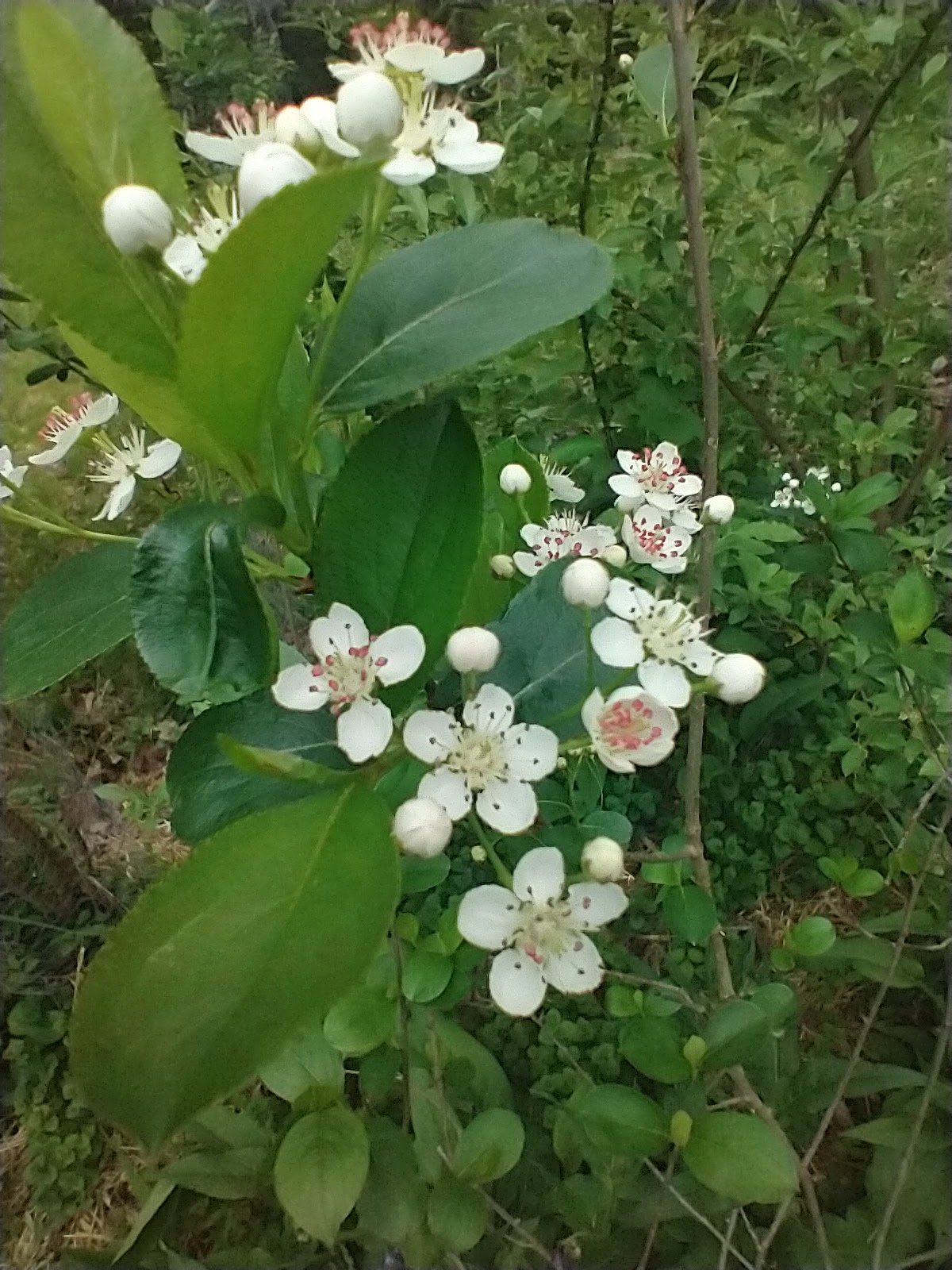
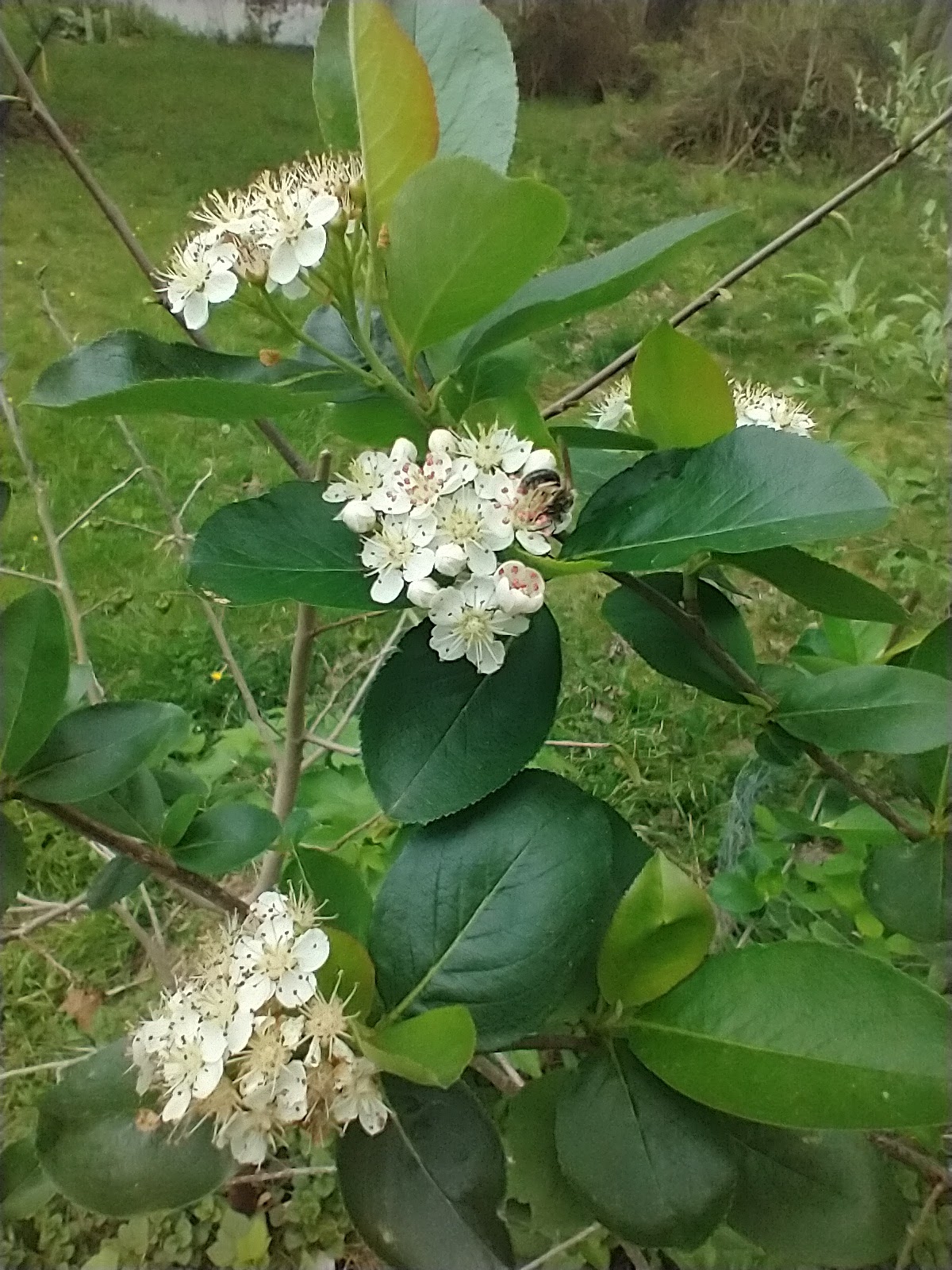
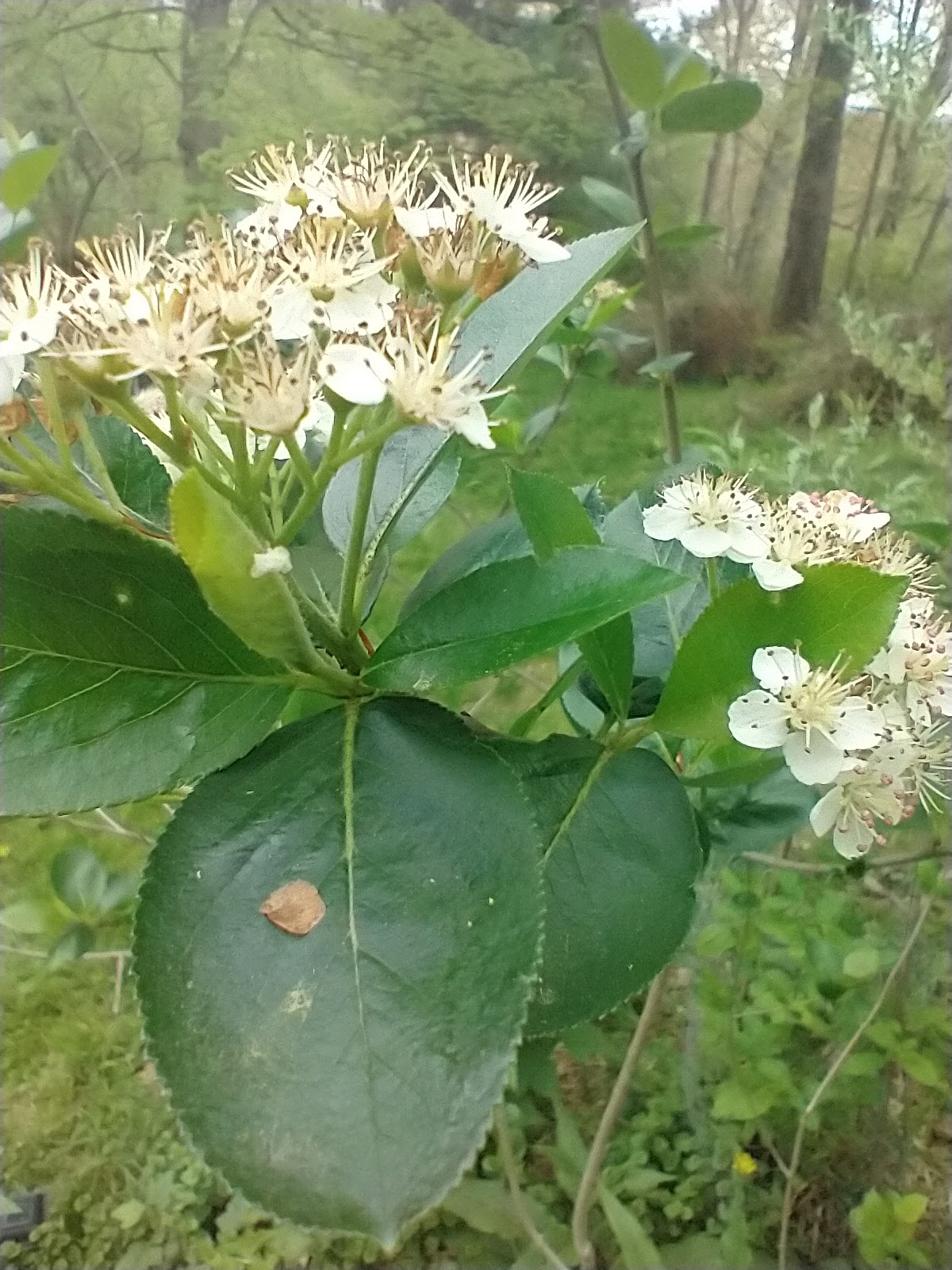
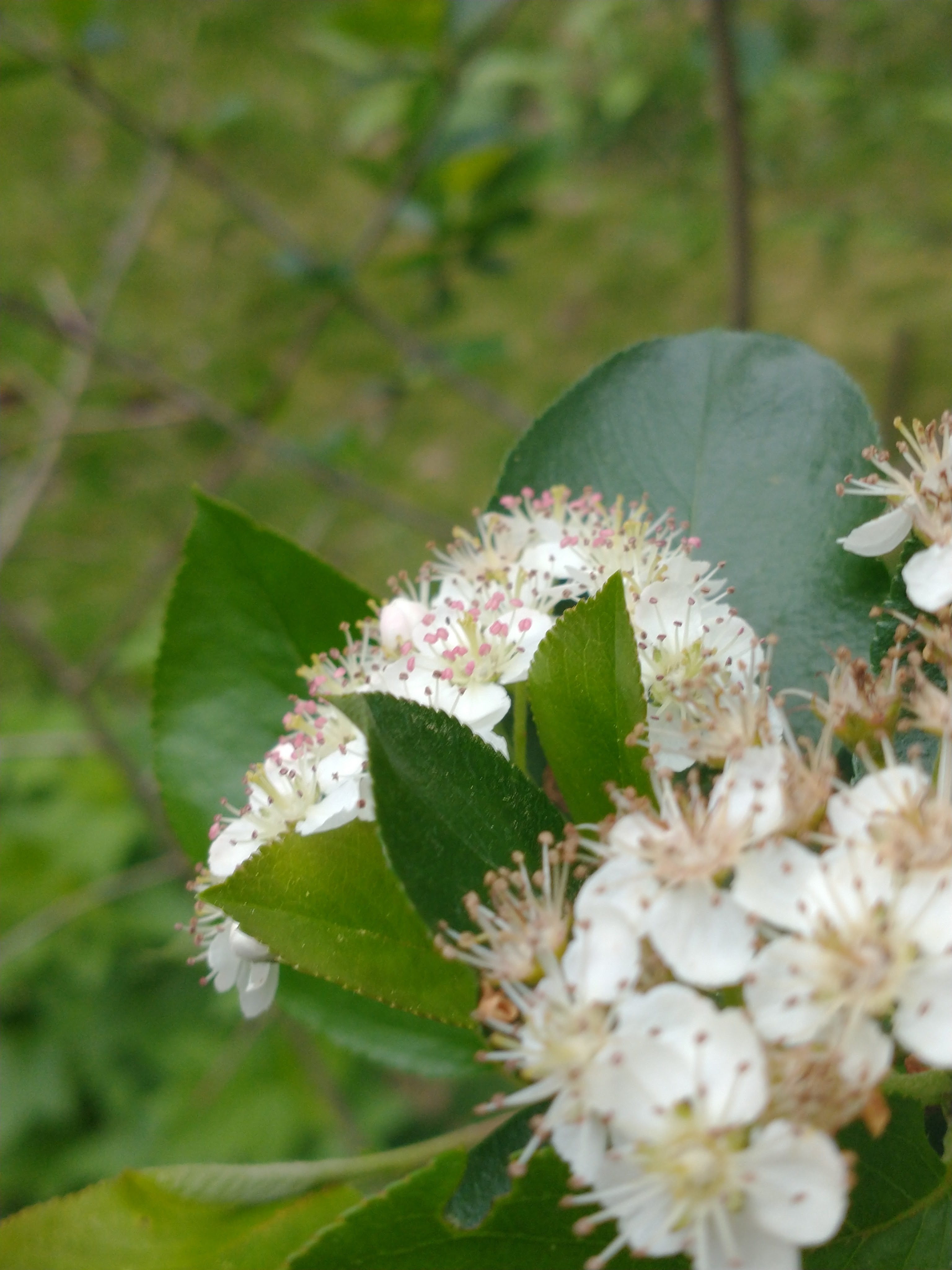
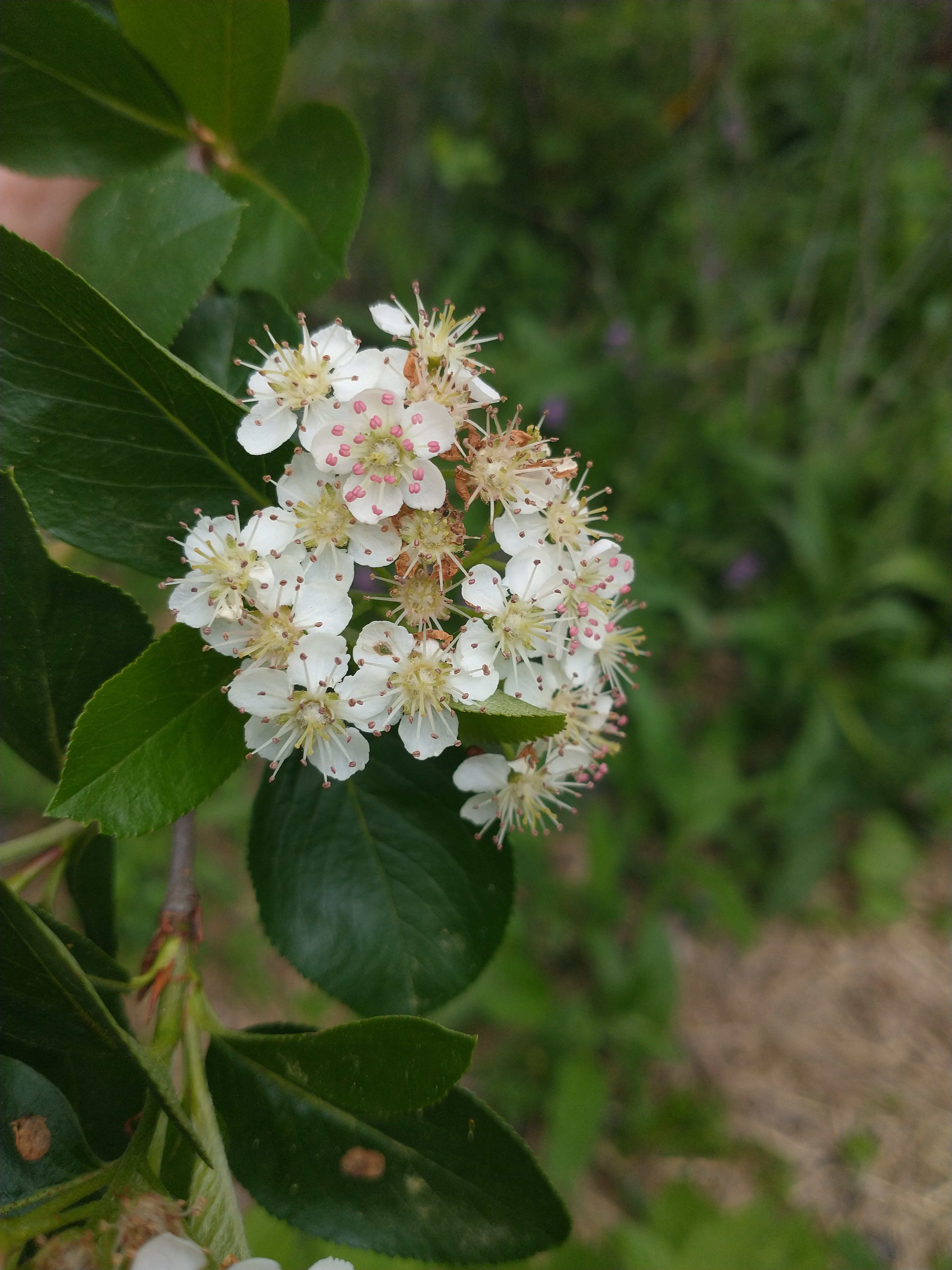
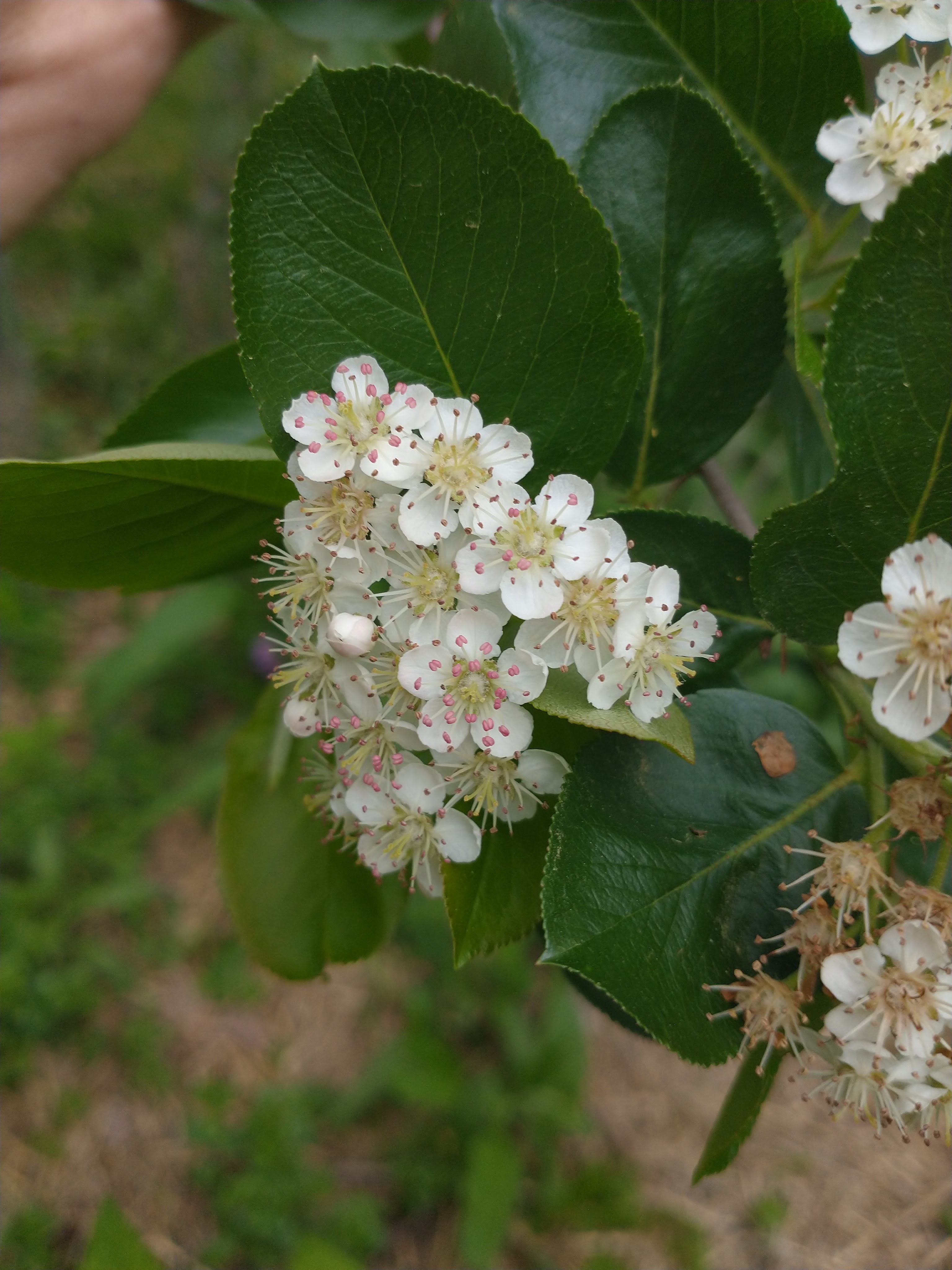
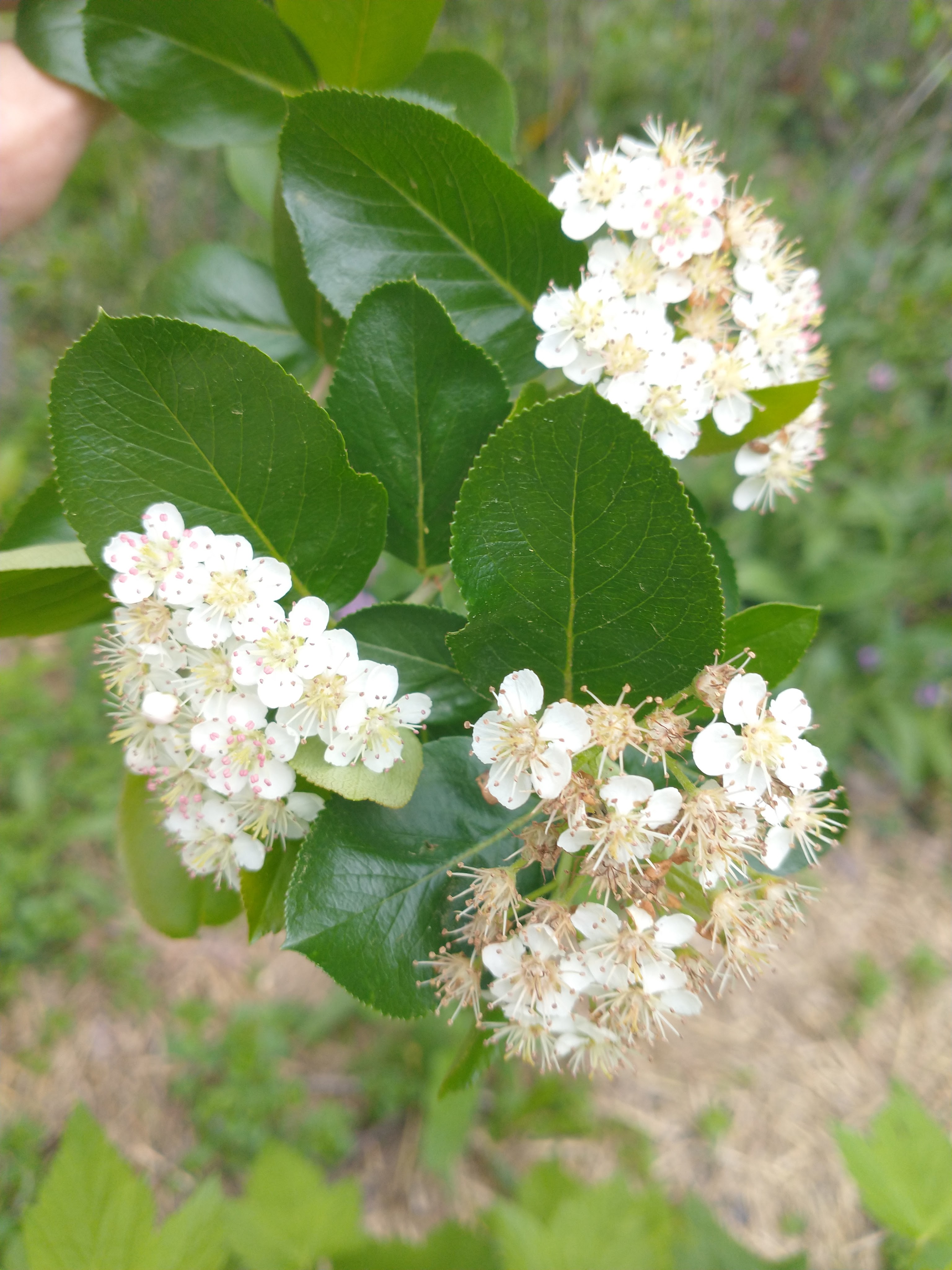
Aronia (chokeberry):
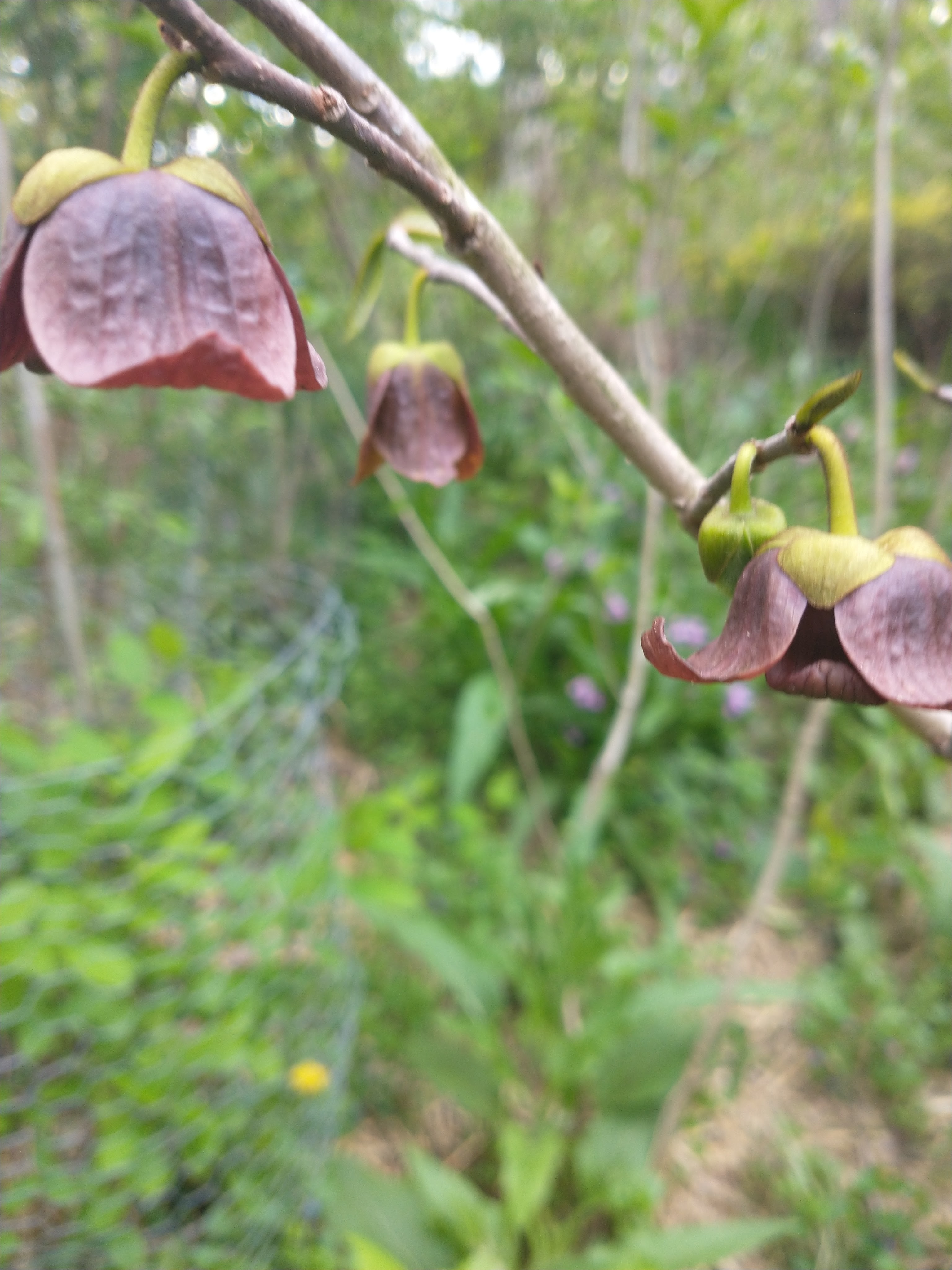
Pawpaw, winter hardy lemon (“Flying Dragon Orange”), peach:
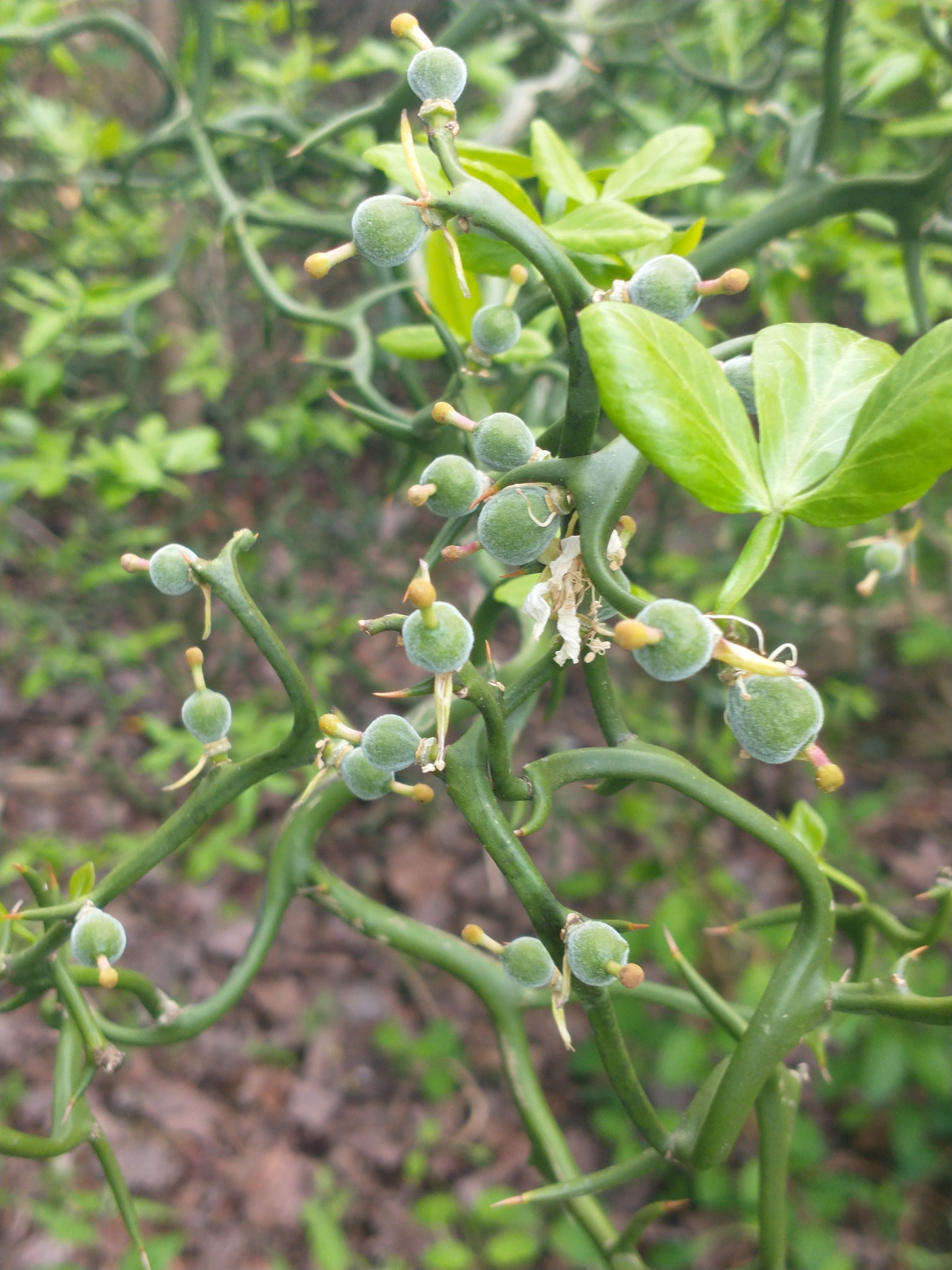

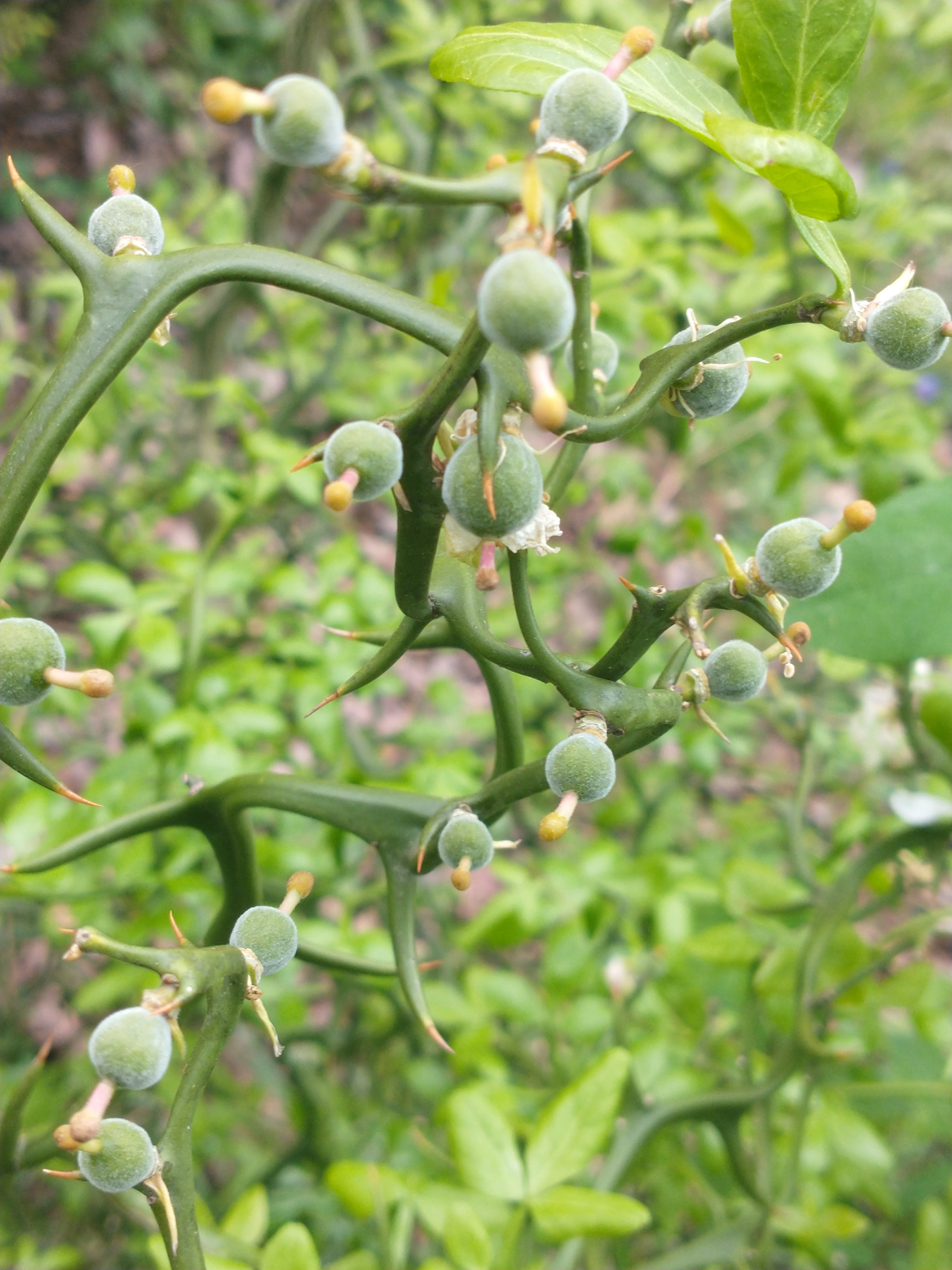

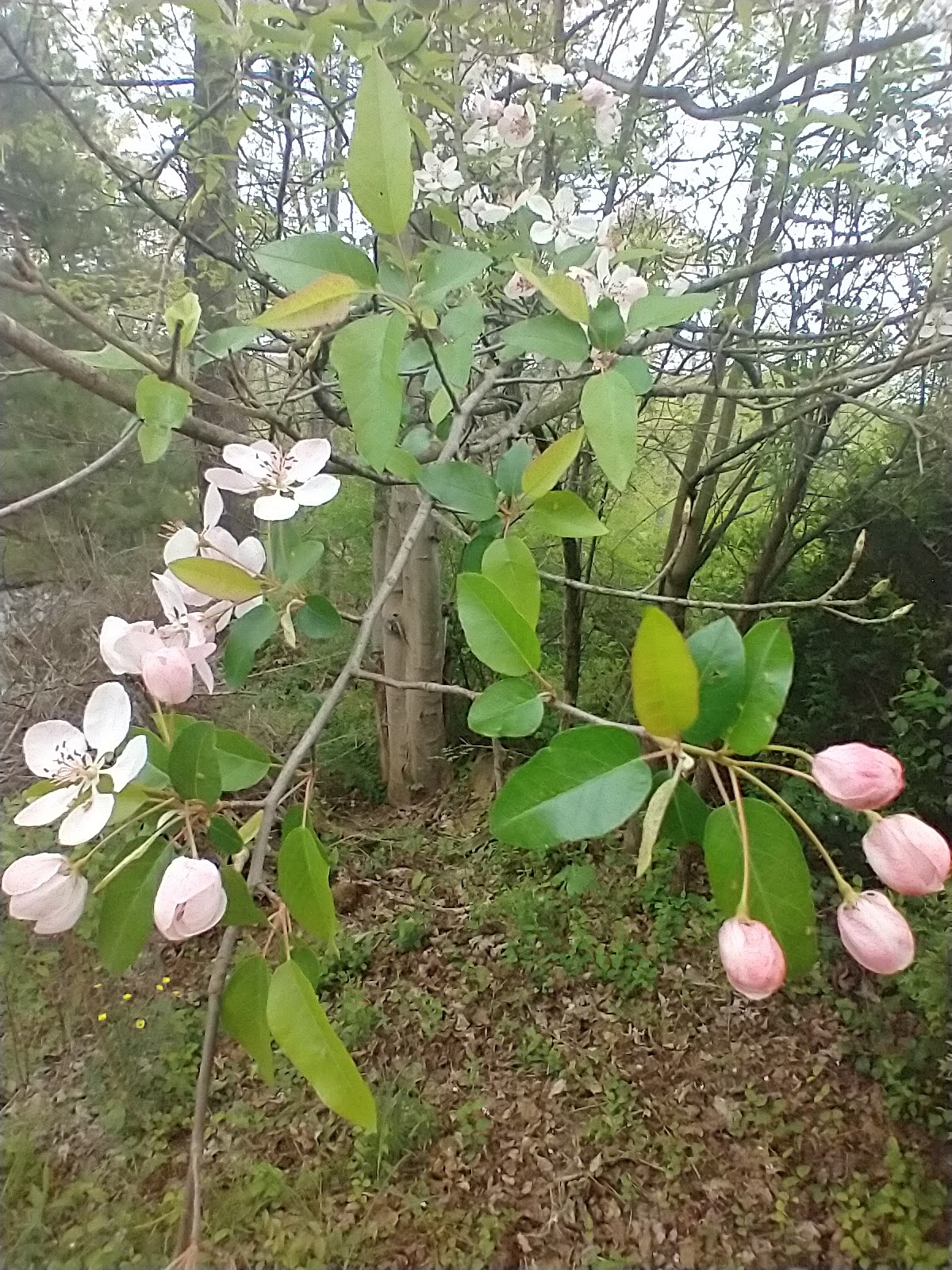
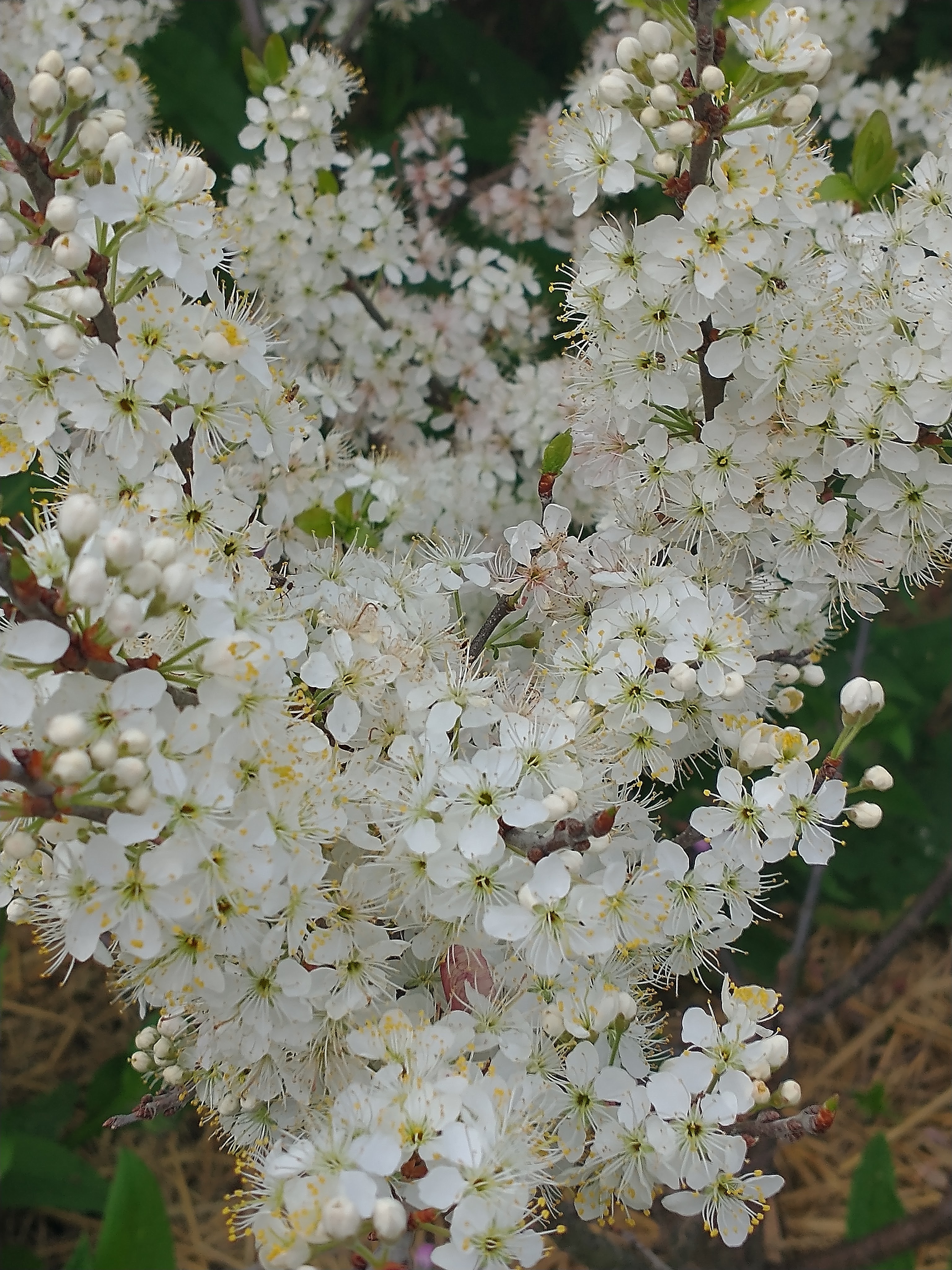
Beach plum, quince, Asian pear, Nanking cherry, Carmine Jewel cherry, Asian plum:

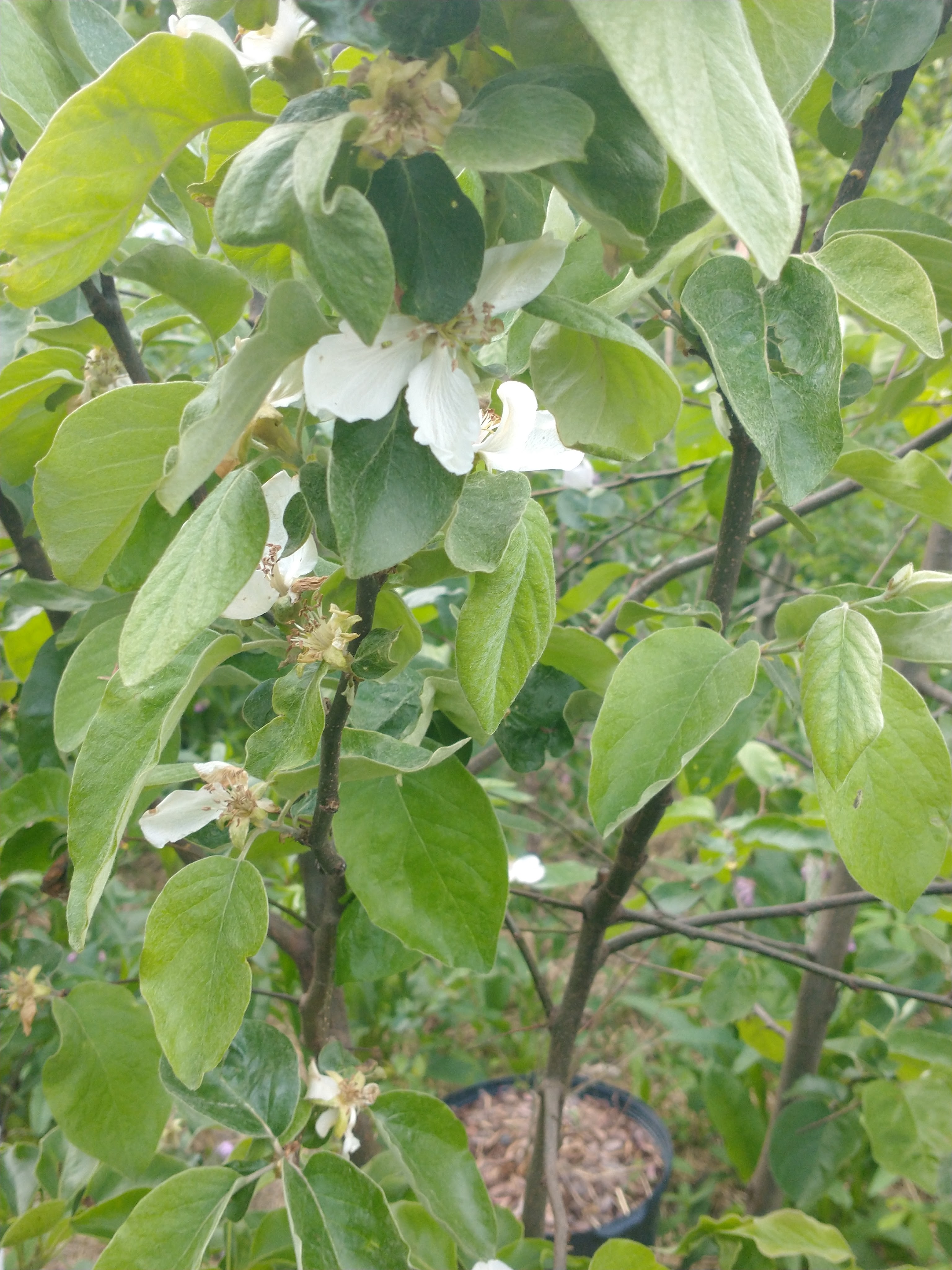

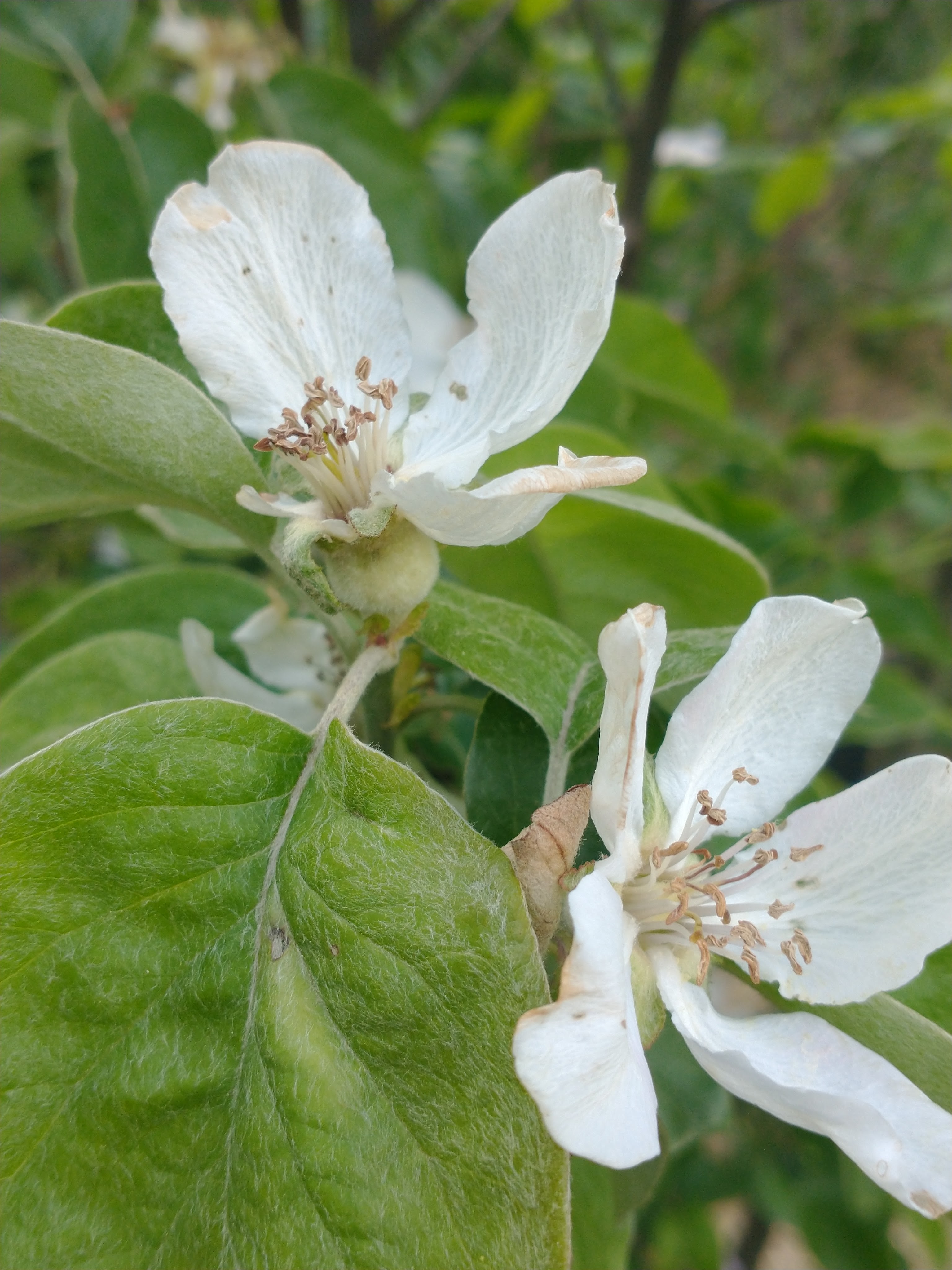
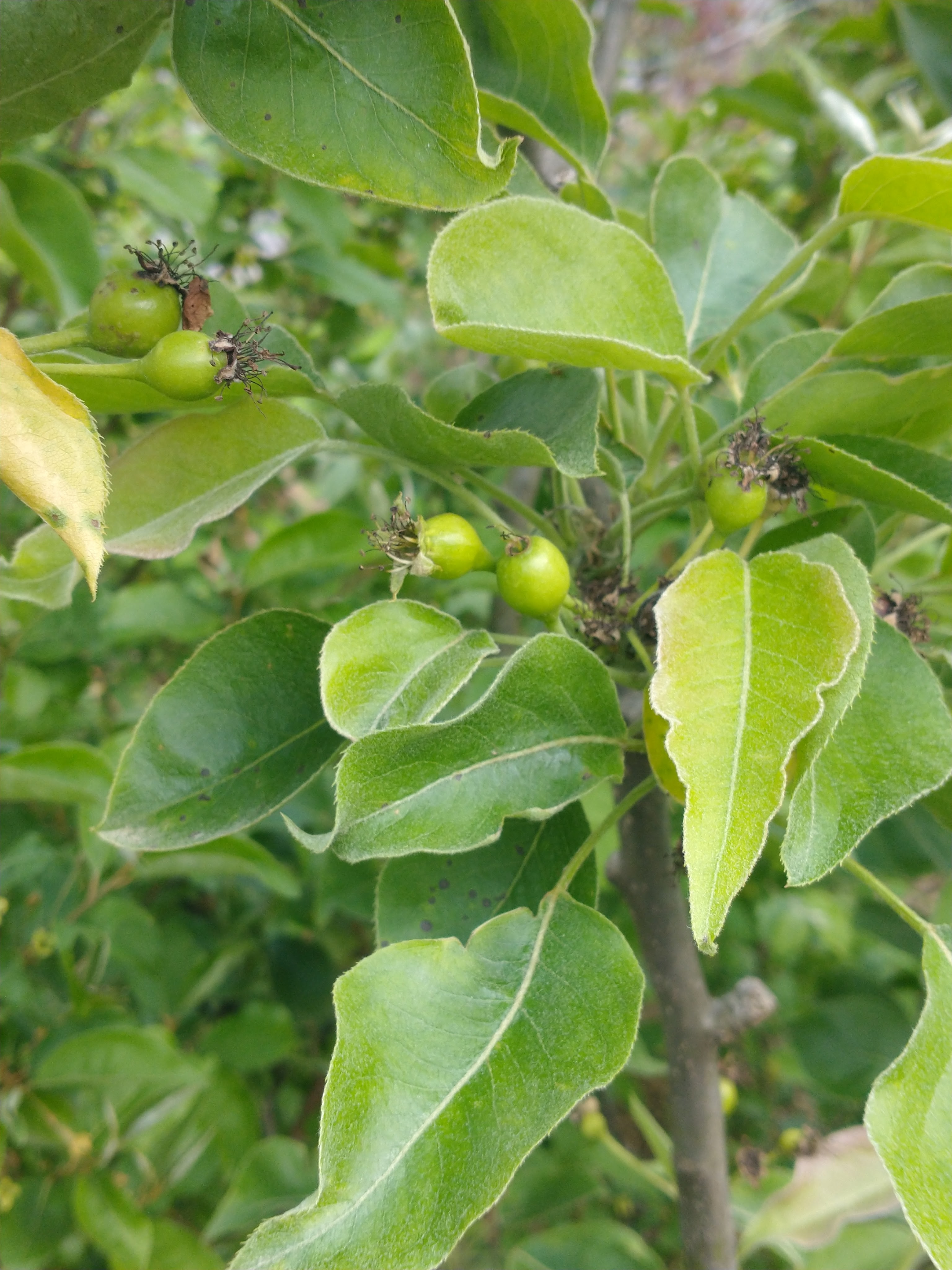
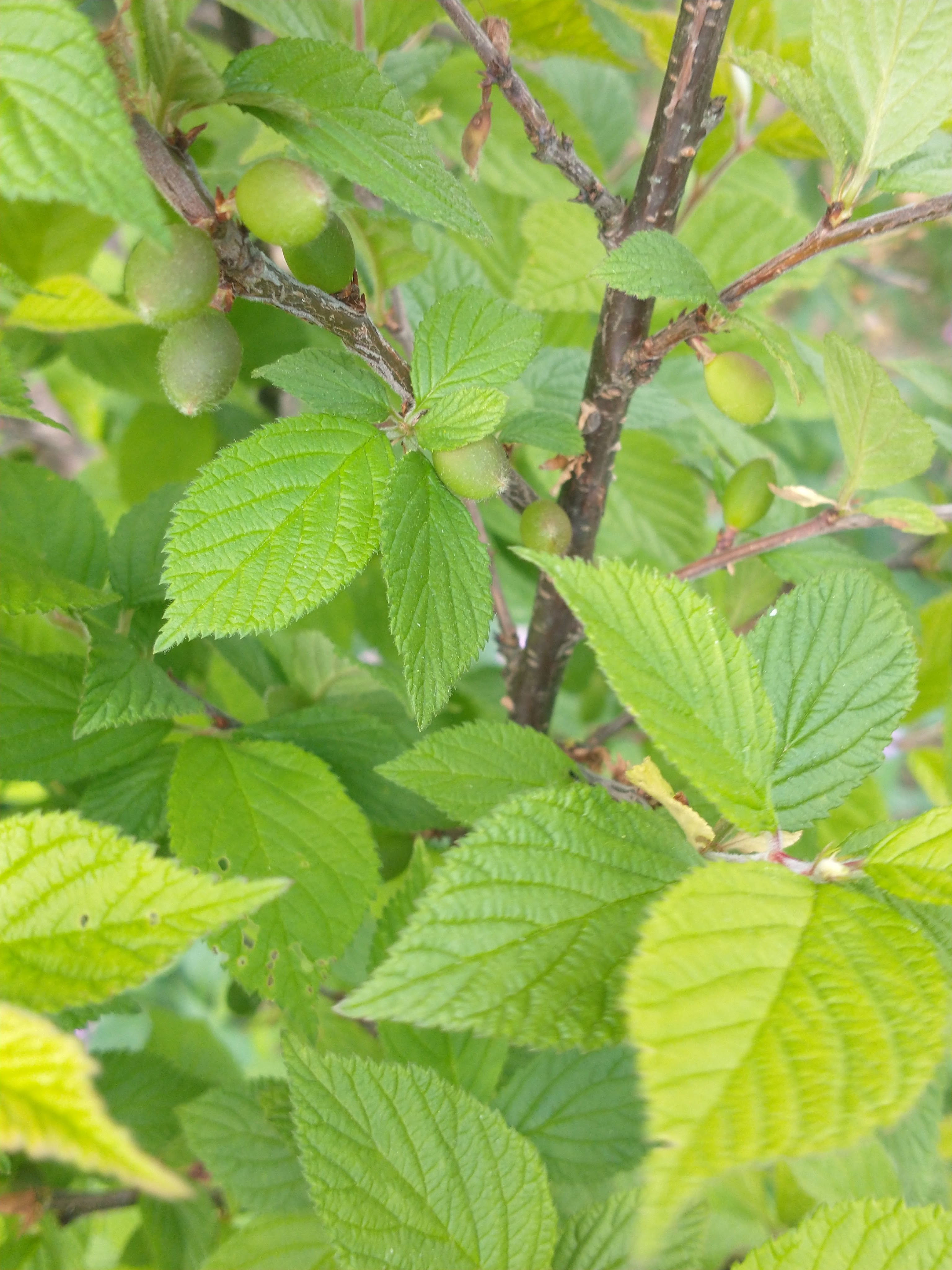
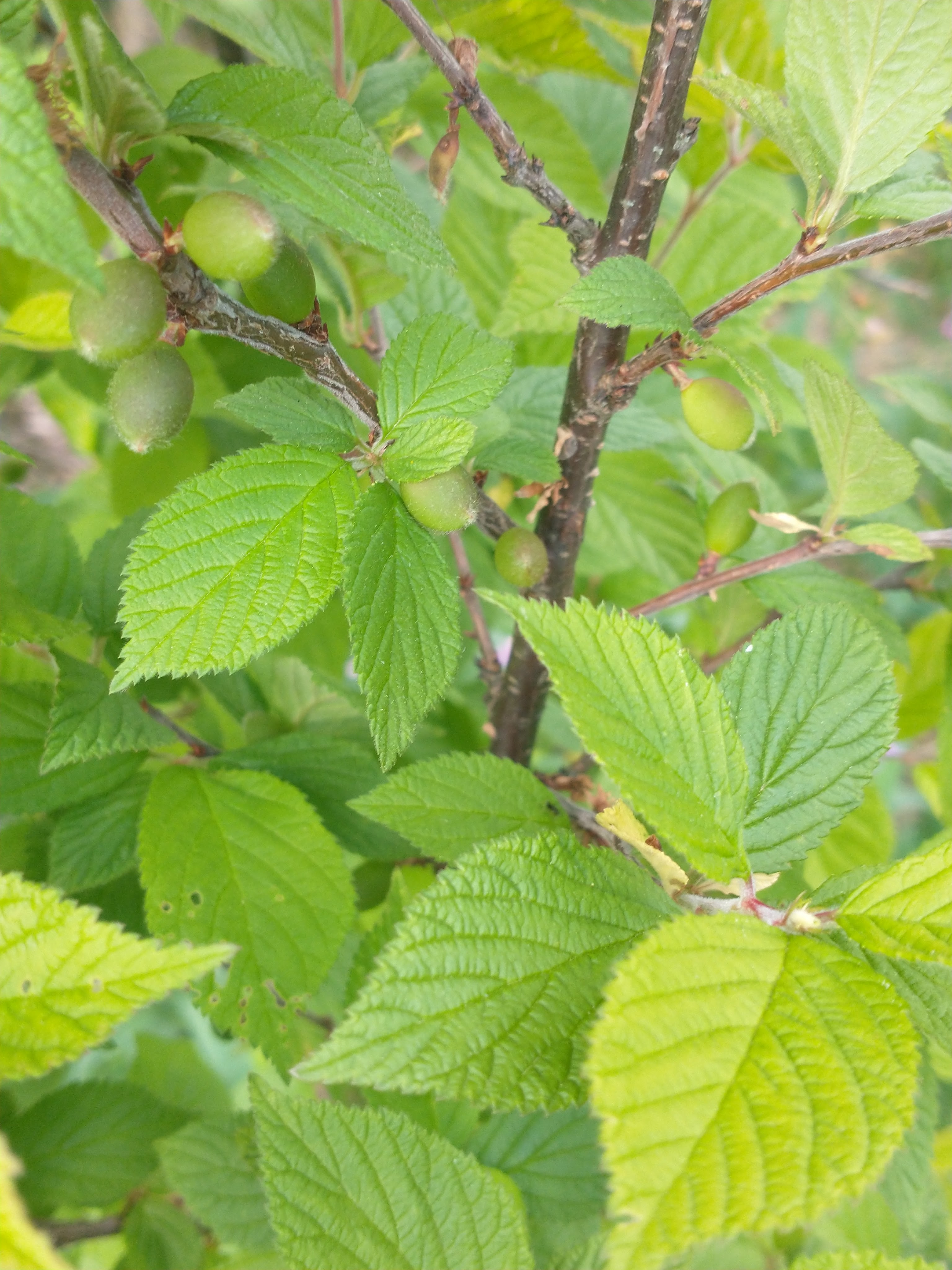
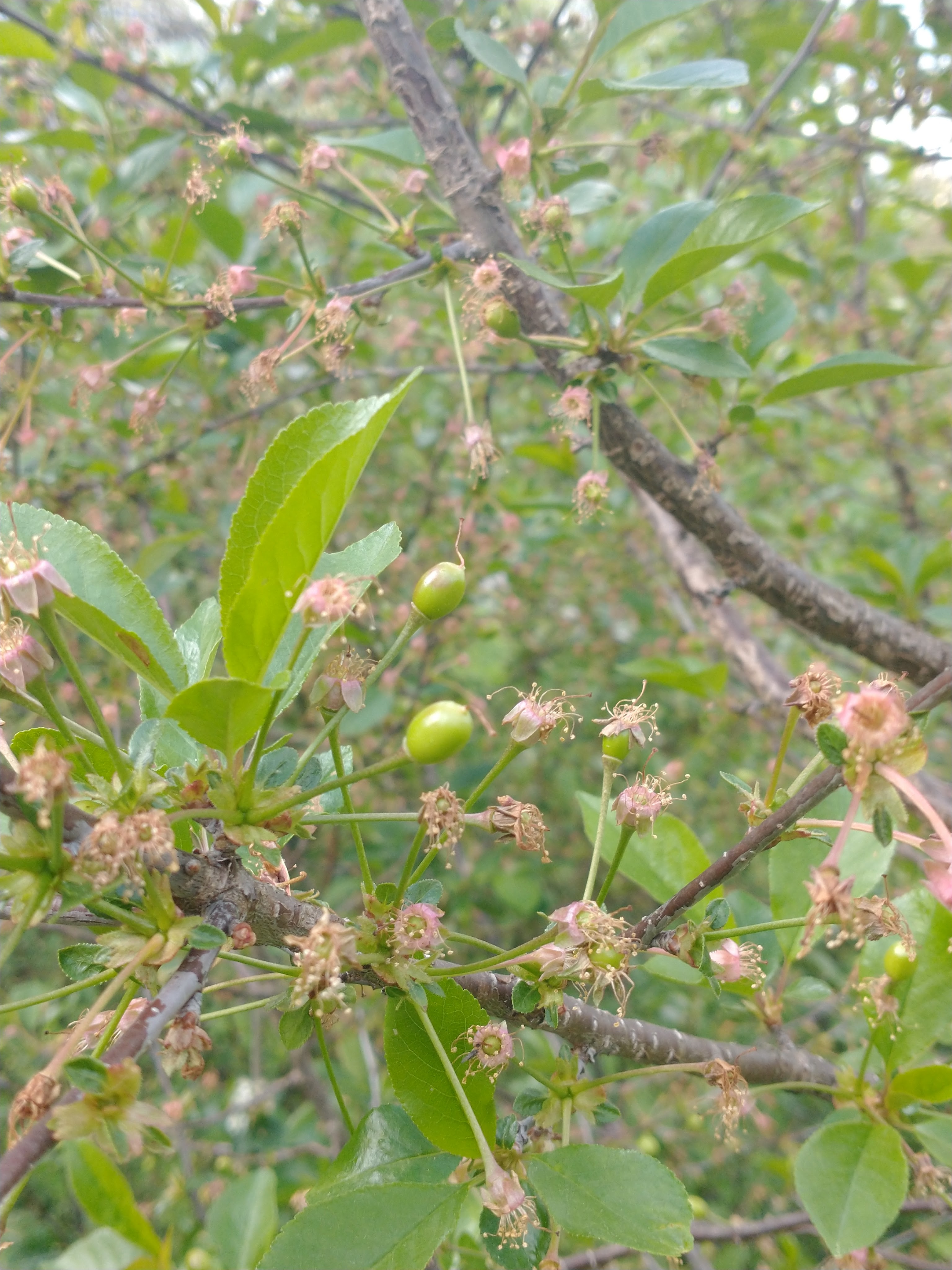

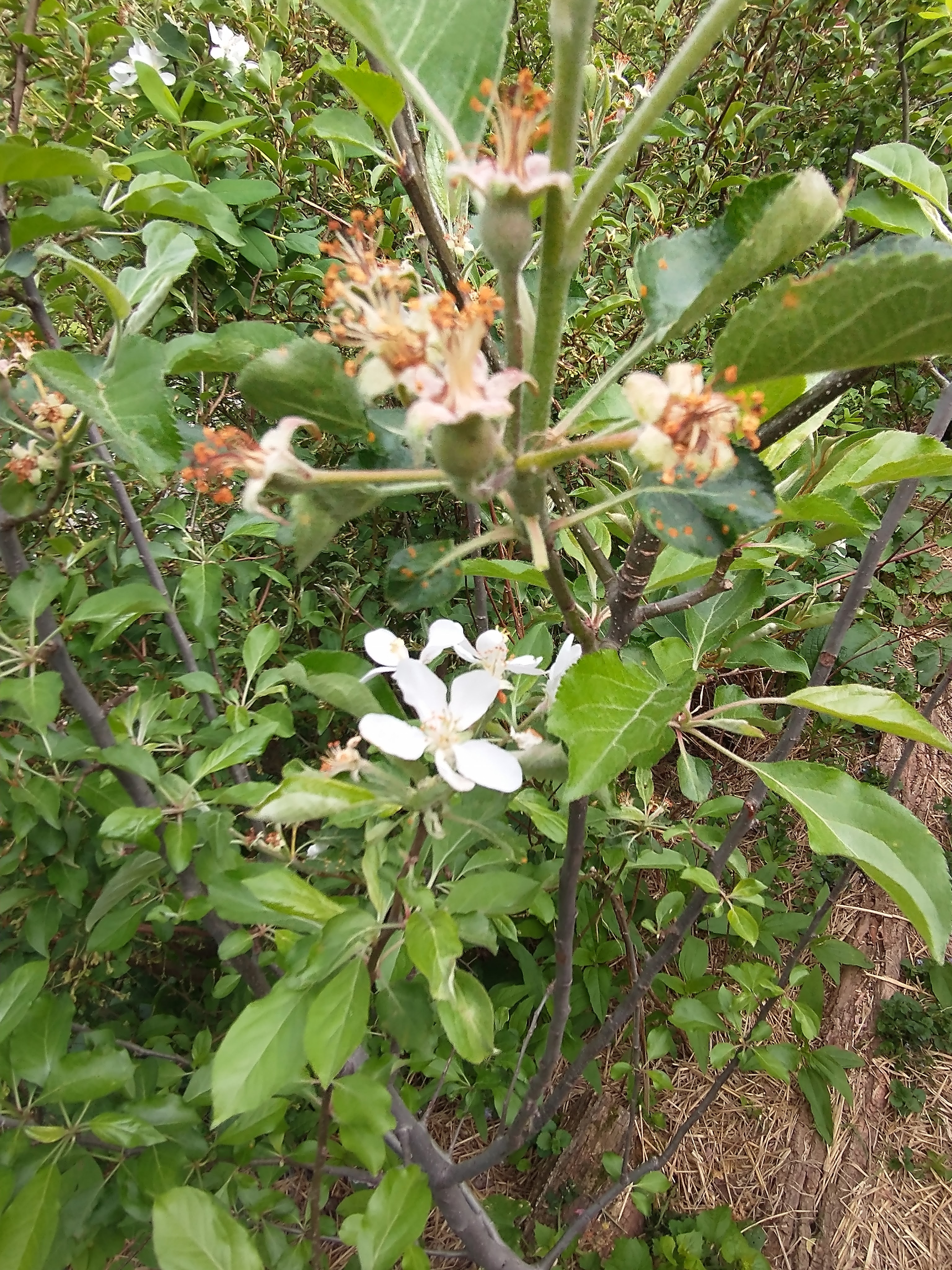
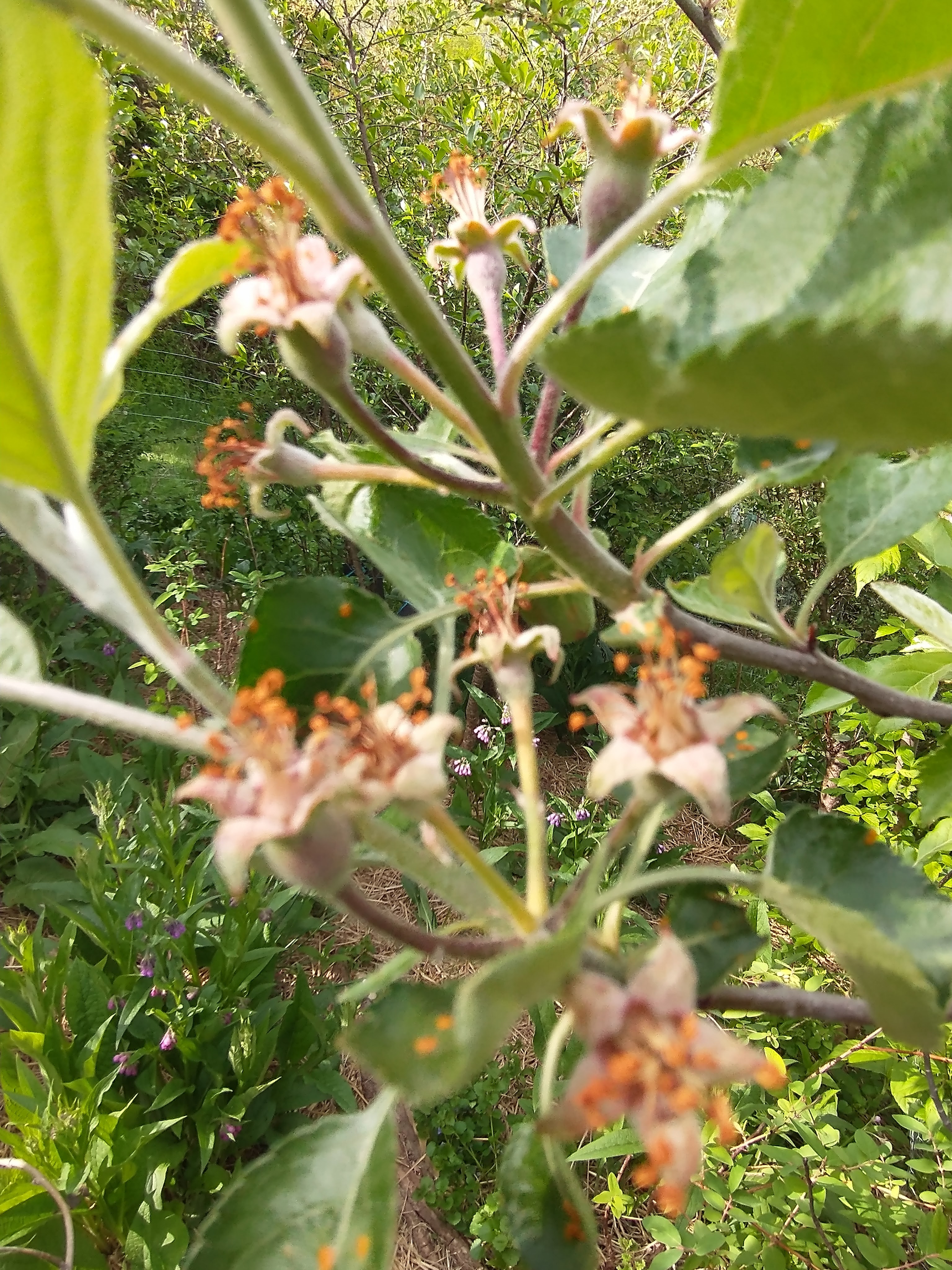
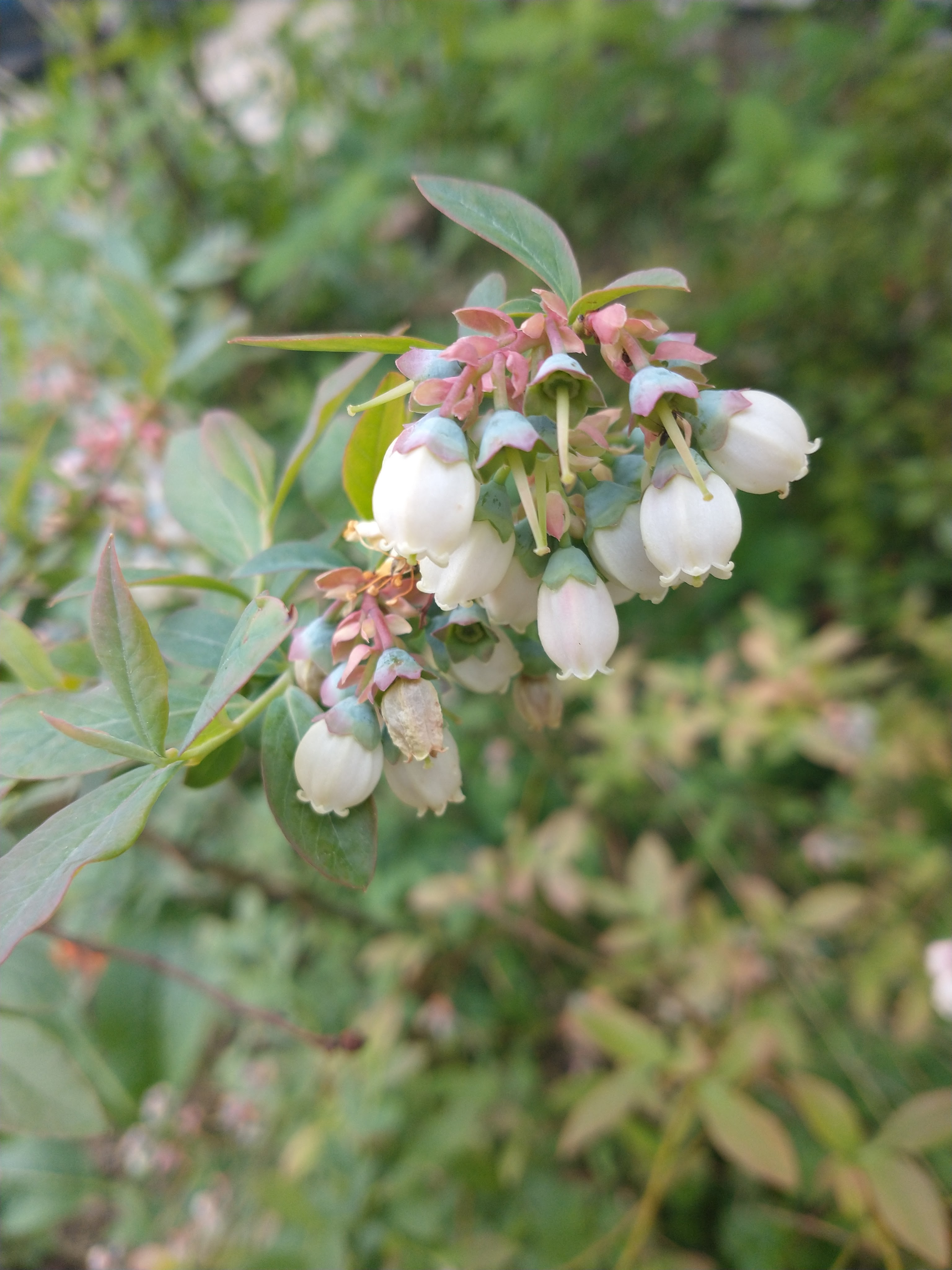
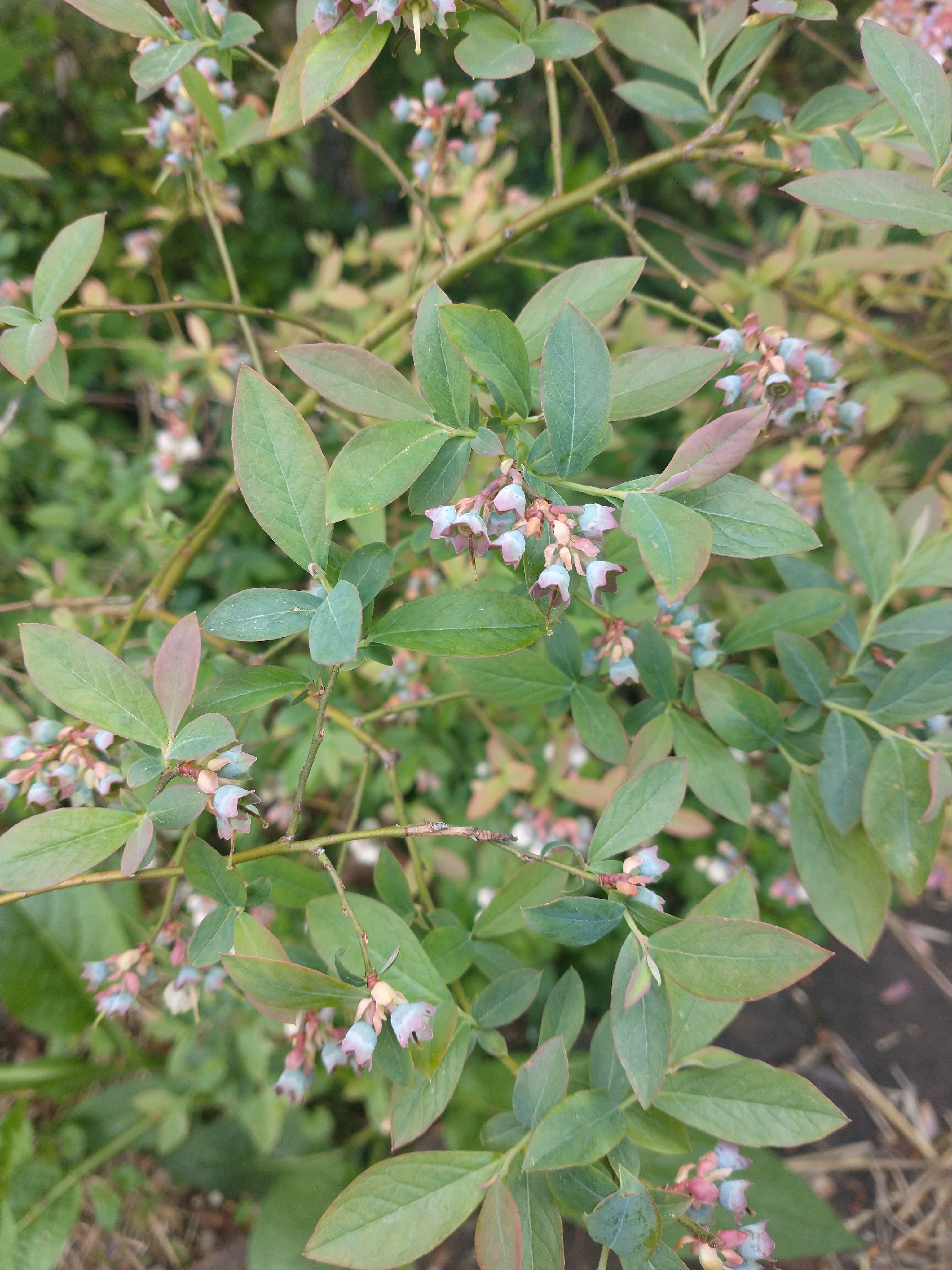
Apple, Berry Blue honeyberry, Stanley plum, beach plum, blueberry:
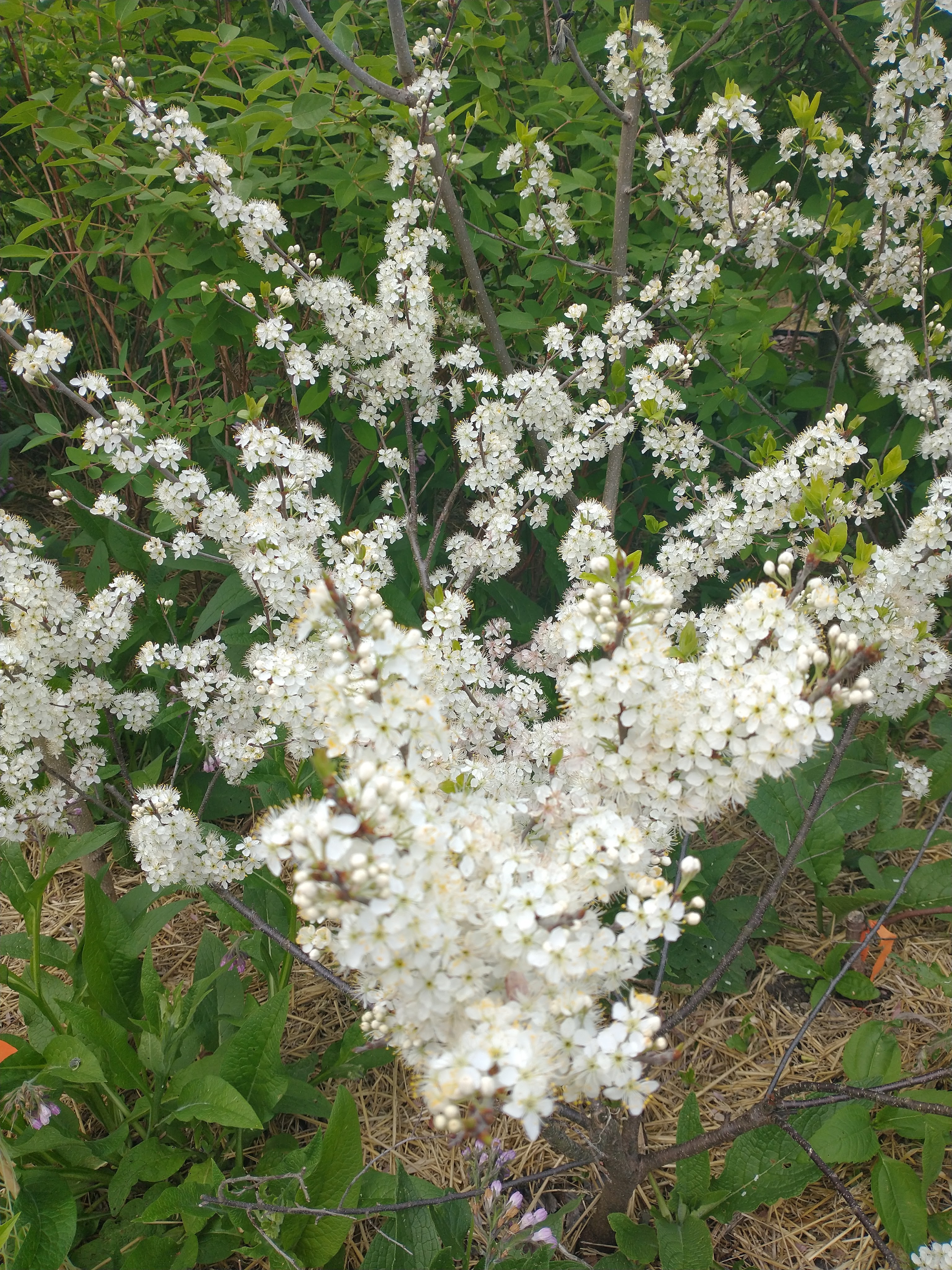
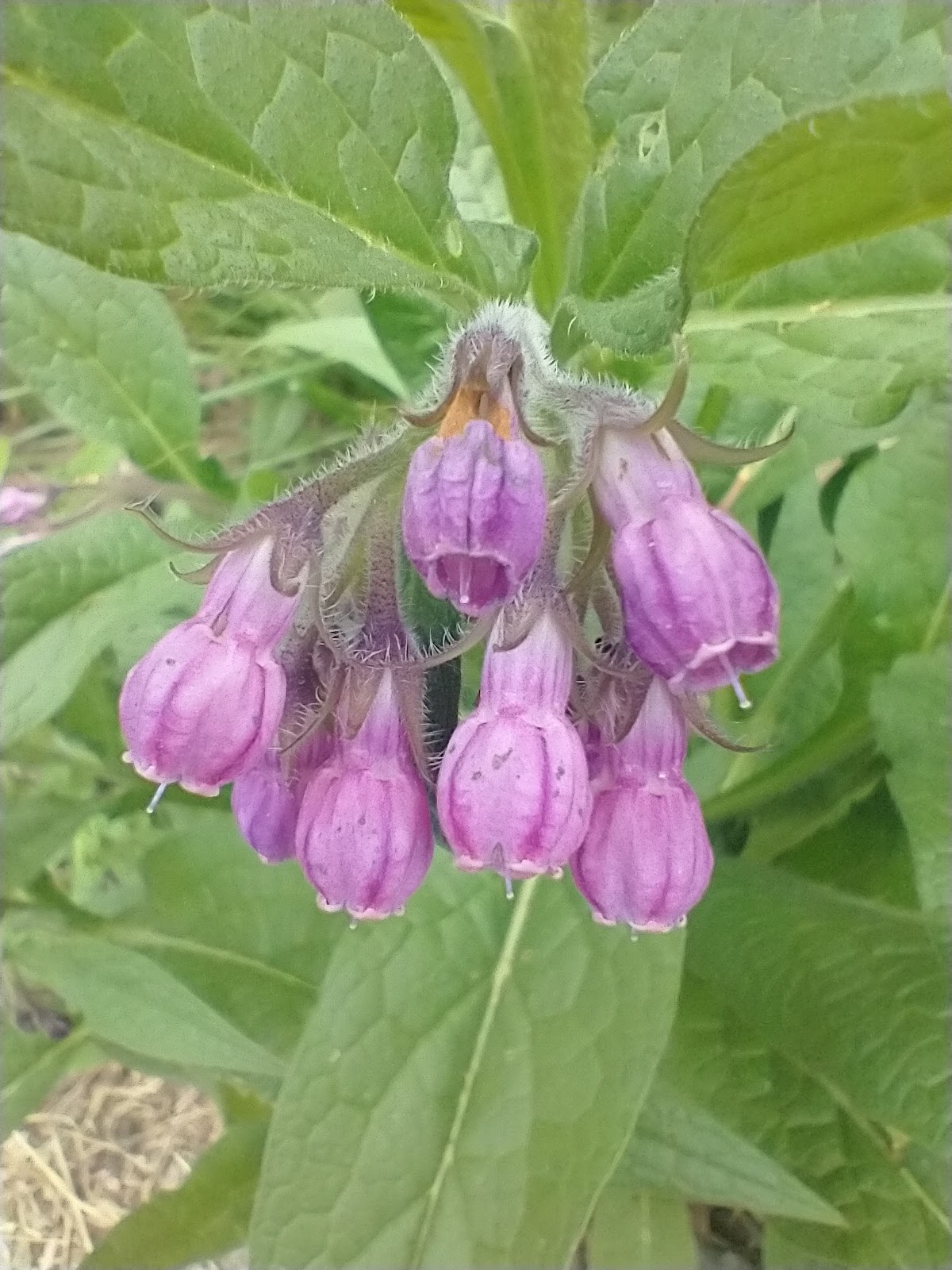
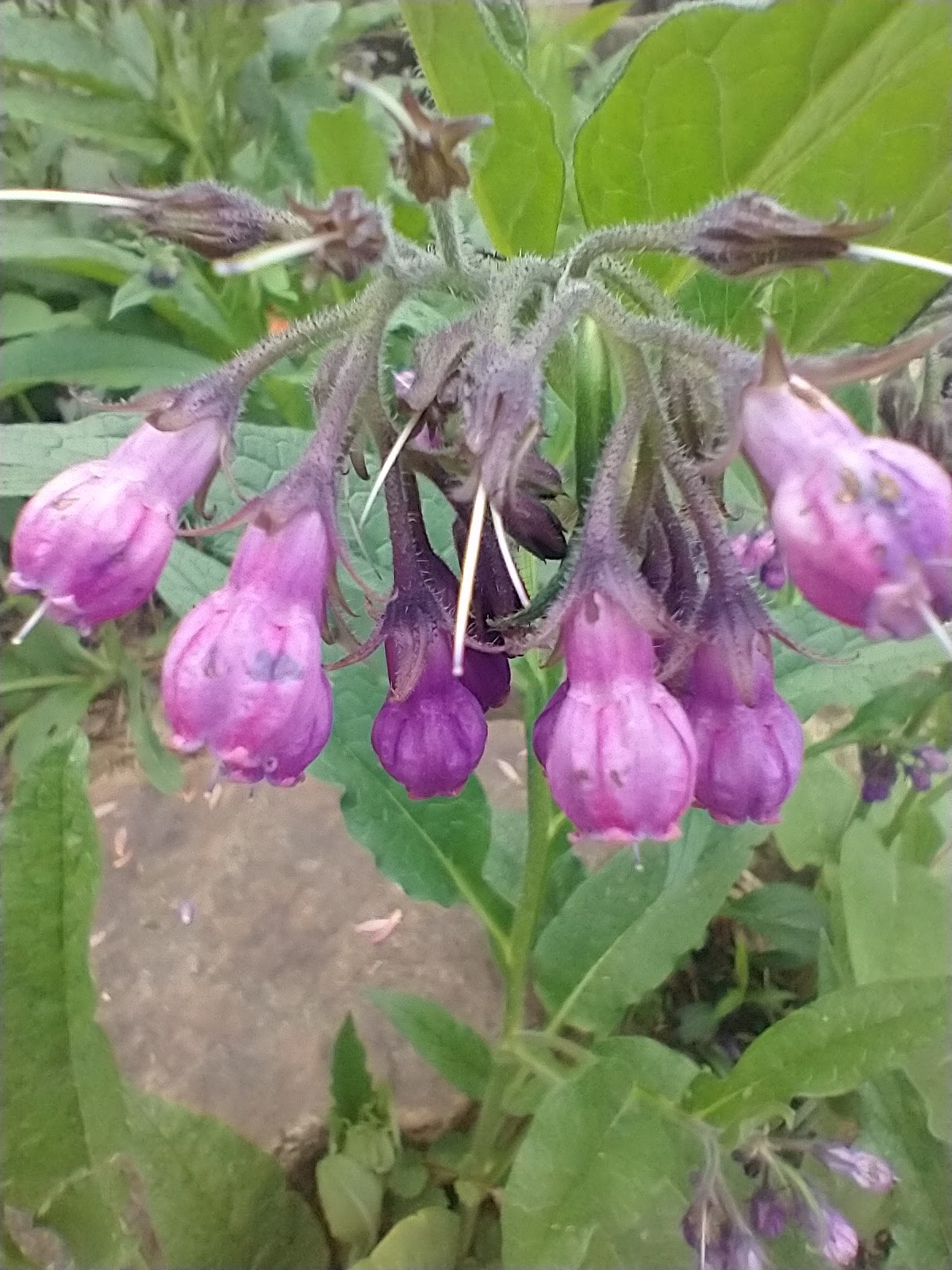
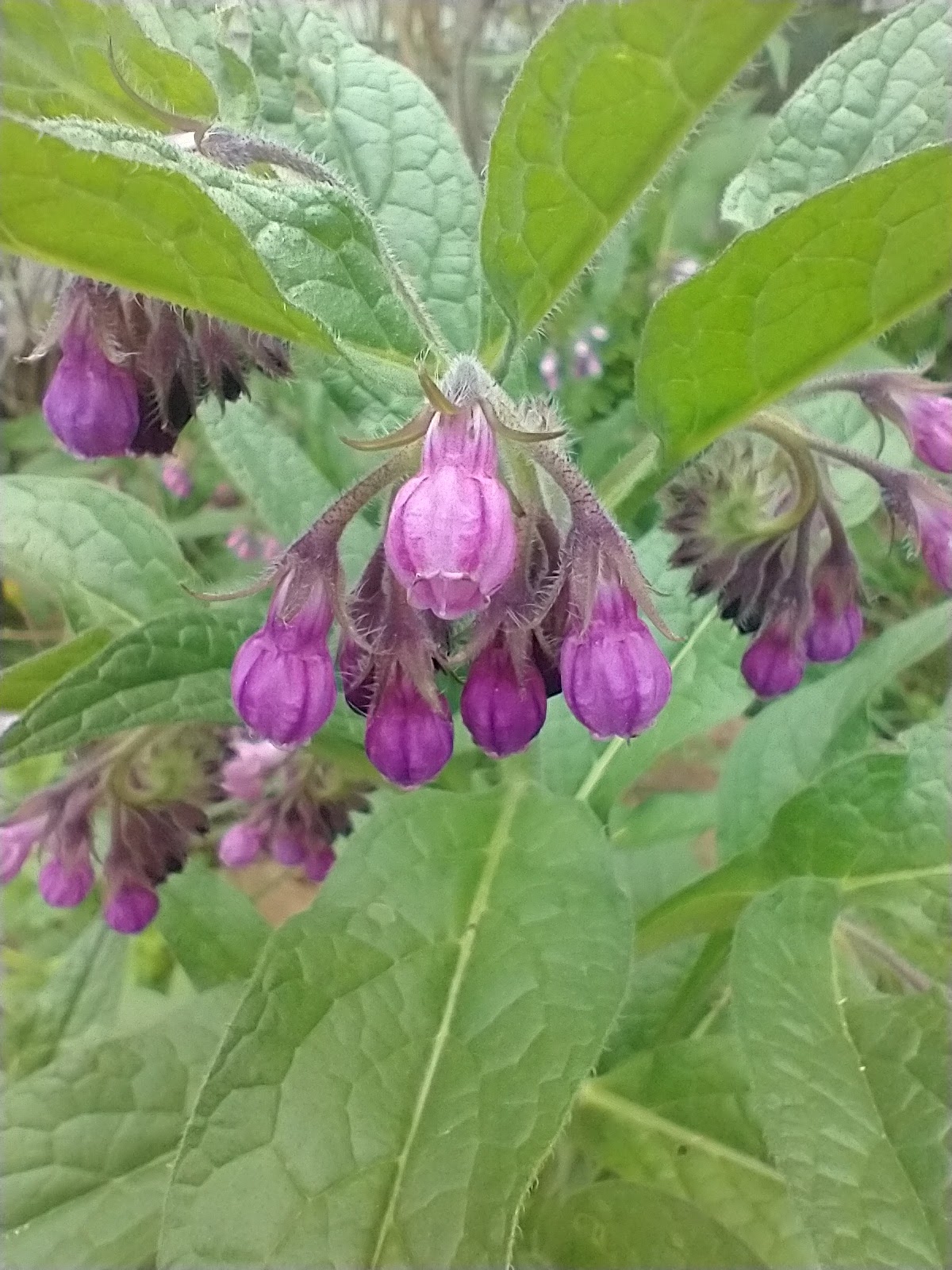
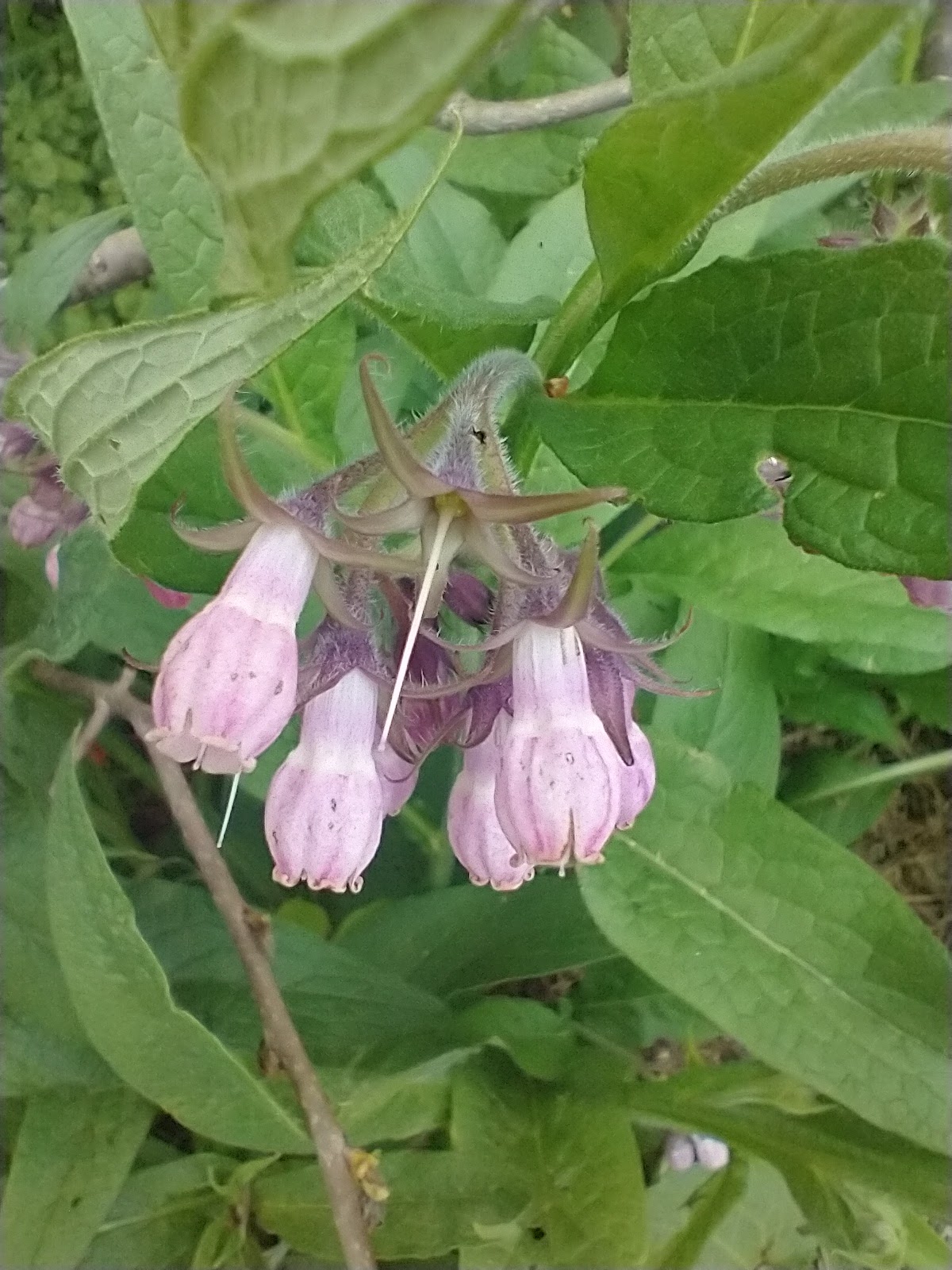
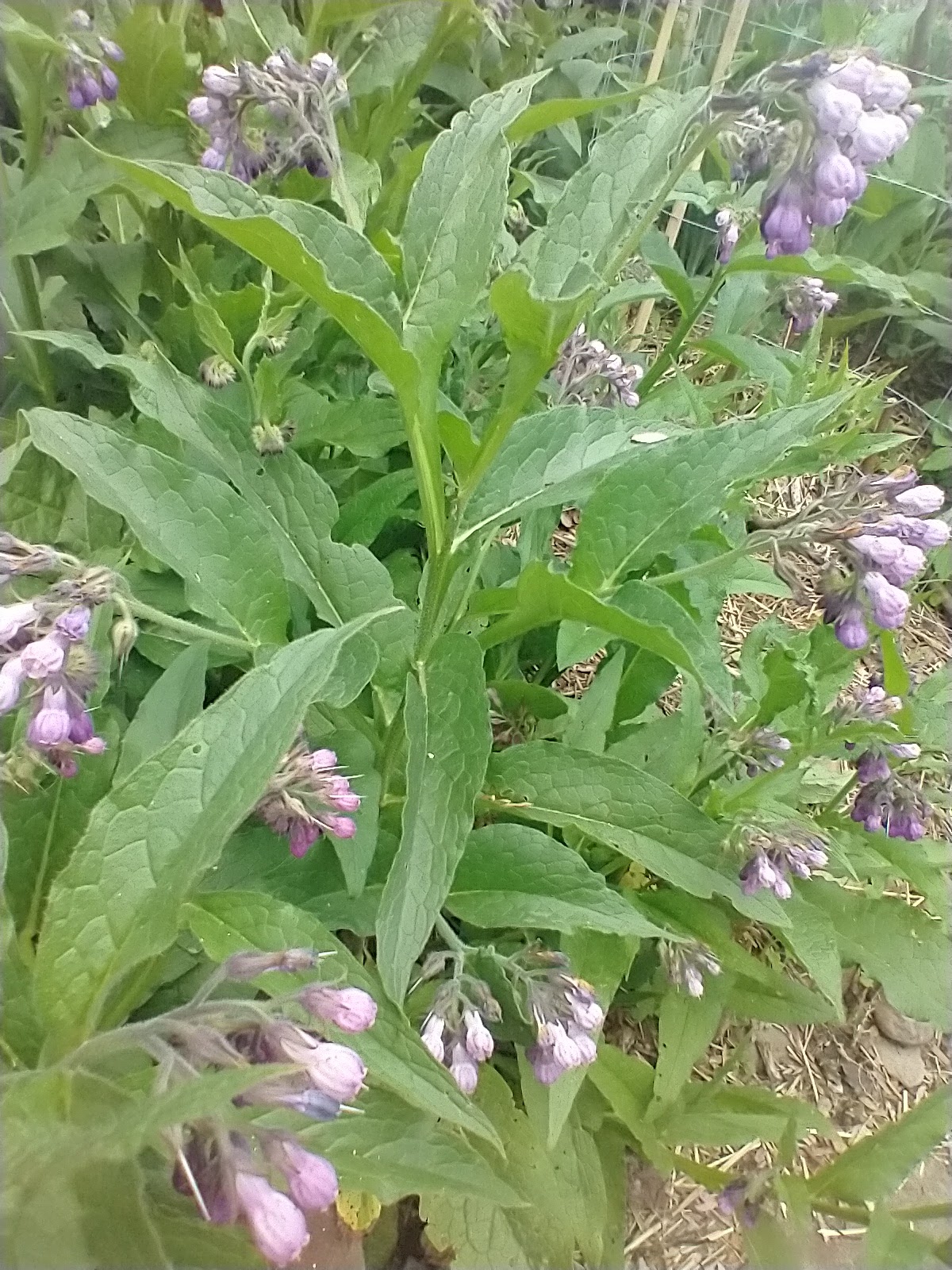
Comfrey:




 Mountain Figs